
Woodside support to help cyclone-impacted locals get back on their feet
Woodside will contribute A$1,000,000 to support relief and ongoing recovery efforts after Tropical Cyclone Narelle devastated parts of the Exmouth community, some 1,100 km north of Perth in Western Australia’s Gascoyne Region.
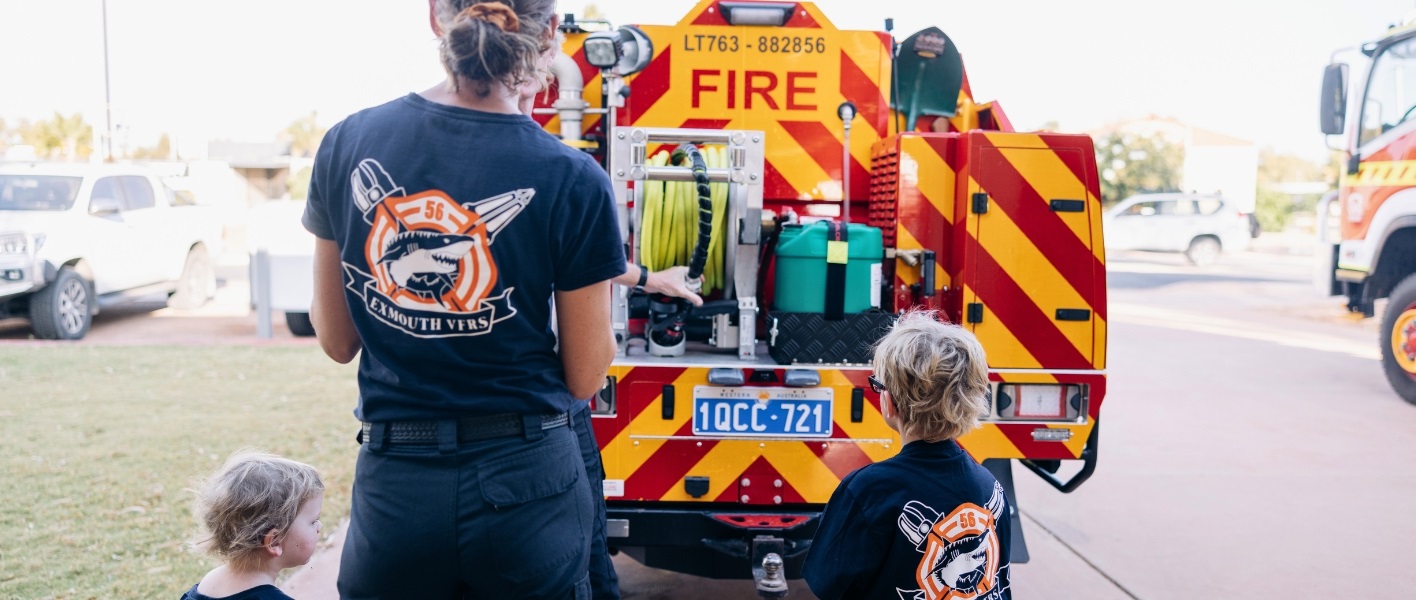
Tropical Cyclone Narelle’s extreme weather conditions caused extensive damage to hundreds of homes and businesses in the popular tourist town, as well as disruptions to essential services including power and water.
On behalf of the company, Woodside CEO Liz Westcott offered her sympathies and support to the Exmouth community.
“Our thoughts are with everyone affected by Tropical Cyclone Narelle, and we extend our thanks to the emergency services, other responders and the Shire of Exmouth who have worked tirelessly to assist with relief efforts under such difficult conditions,” Liz said.
Tropical Cyclone Narelle originated off the coast of Queensland, travelled westwards and re-formed as a Category 4 cyclone before making landfall near Exmouth on 27 March, dumping heavy rainfall and bringing destructive wind gusts of up to 275 km/h.
Liz noted Woodside has had the privilege of operating in the Exmouth community for more than 20 years.
We are proud of our longstanding relationship with the town and its people,” Liz said. “During challenging times like this, we take seriously the role we can play in helping people get back on their feet.”
The Shire of Exmouth is currently working with locals to determine recovery priorities addressing social, environmental, infrastructure and economic needs.
“Woodside’s generous contribution will play a critical role in supporting Exmouth’s long-term recovery following Tropical Cyclone Narelle,” stated Shire CEO Ben Lewis.
“These funds will assist in building a stronger, more resilient community and ensure Exmouth is better prepared for future events.”
Woodside’s history with Exmouth dates back to 1998, when the company discovered the Vincent field in the Carnarvon Basin, followed by the nearby Enfield and Laverda oil fields.
Today, our Ngujima-Yin FPSO operates about 50 km north of Exmouth, while the Pyrenees FPSO produces from roughly 45 km north-west of the town.
Ensuring the safety of Woodside personnel by removing them from danger from TC Narelle also proved a mammoth logistical exercise, but extensive planning for such events and superb coordination led to a safe outcome with no injuries recorded.
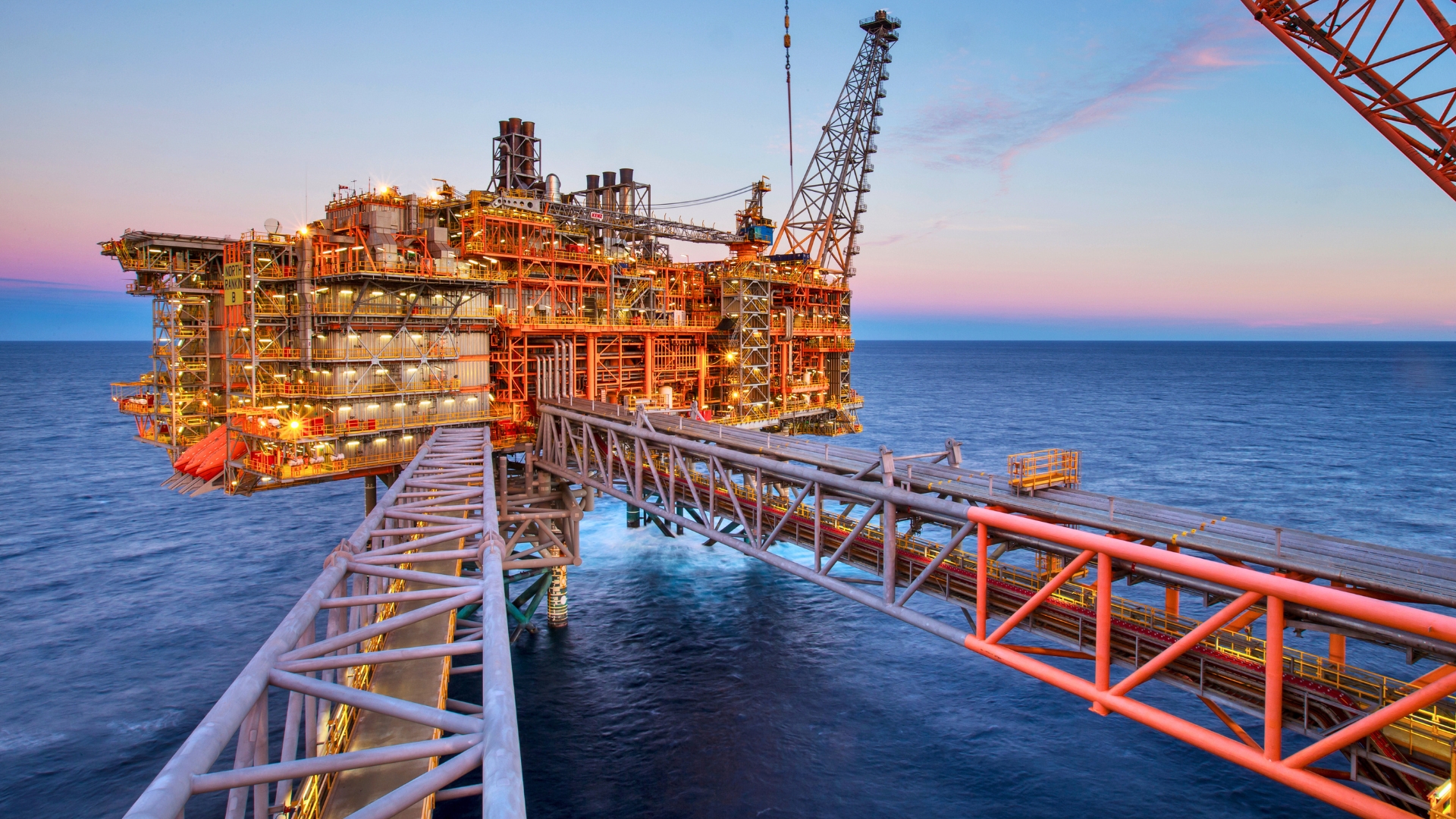
In total, around 280 personnel were safely demobilised from the company’s North West Shelf offshore assets and three FPSOs (including Ngujima-Yin and Pyrenees) sailed out of harm’s way, as did an accommodation vessel.
 |
Impacts to production were also minimised, with domestic gas supplied throughout by Woodside’s Macedon and Pluto facilities. Our North West Shelf Project also swiftly re-started production after being deemed safe to do so.
“The level of readiness and response across our operations was excellent,” says Woodside EVP and COO Australia Breyden Lonnie.
“Our people are experts at what they do, and that was evident in our response to the cyclone.”
Macedon (despite its modest size) proved a mighty contributor to domestic supply throughout.
Located about 17 km outside of Onslow, Macedon is typically the fifth largest supplier of WA’s domestic gas. But it leapt to second largest during the extreme weather event behind only Chevron’s Gorgon gas project.
“We don't have all the razzle dazzle of a big gas plant,” acknowledges Woodside Onshore Installation Manager Greg Badgery, “but we do a fairly decent job at contributing to domestic gas, which makes us very proud.”
The plant continued to operate at around 90 per cent capacity, supplying an average of 164 terajoules of gas into the network each day – which is more than enough to power every home in WA.
“It was a real team effort to deliver the plan and keep Macedon safe and on track,” says Greg.