
A boost for biodiversity in Louisiana
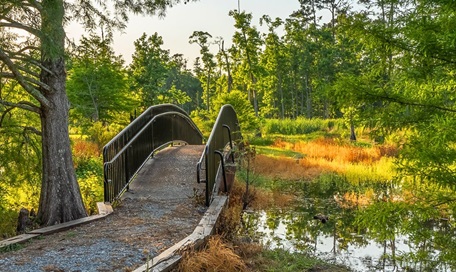
Woodside is investing US$5 million to support the restoration of threatened habitats and strengthen the environmental stability of one of Louisiana’s most cherished and oldest state parks – the Sam Houston Jones State Park.
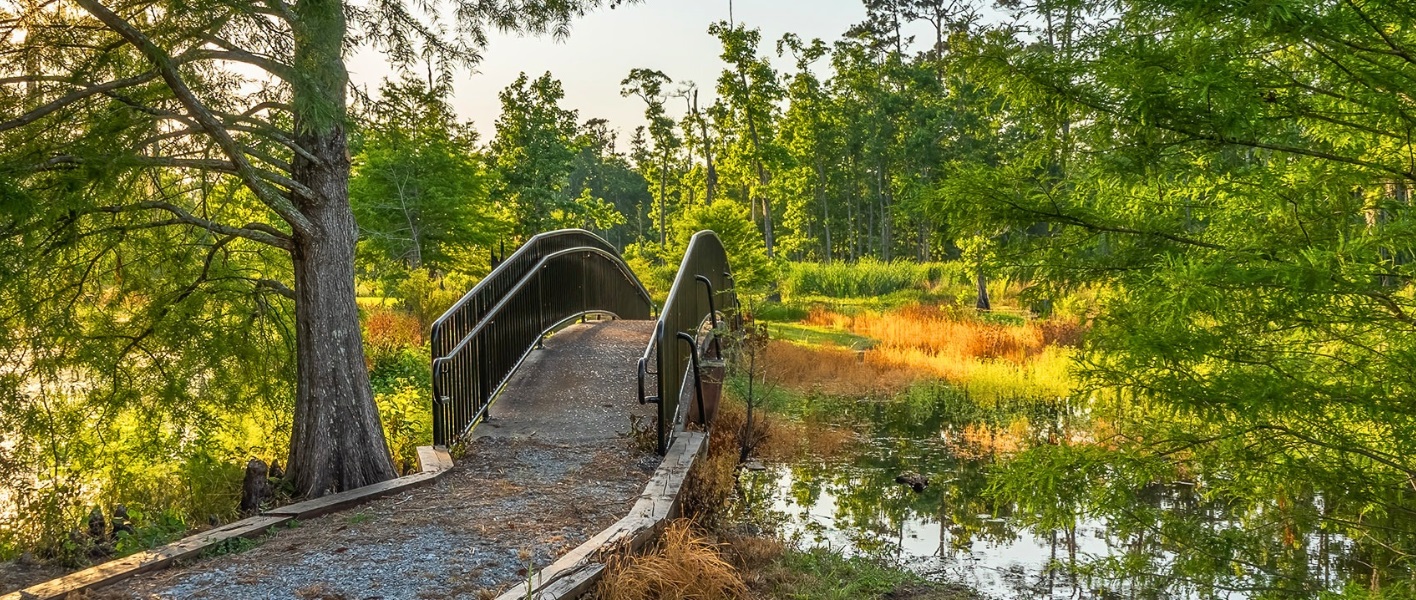
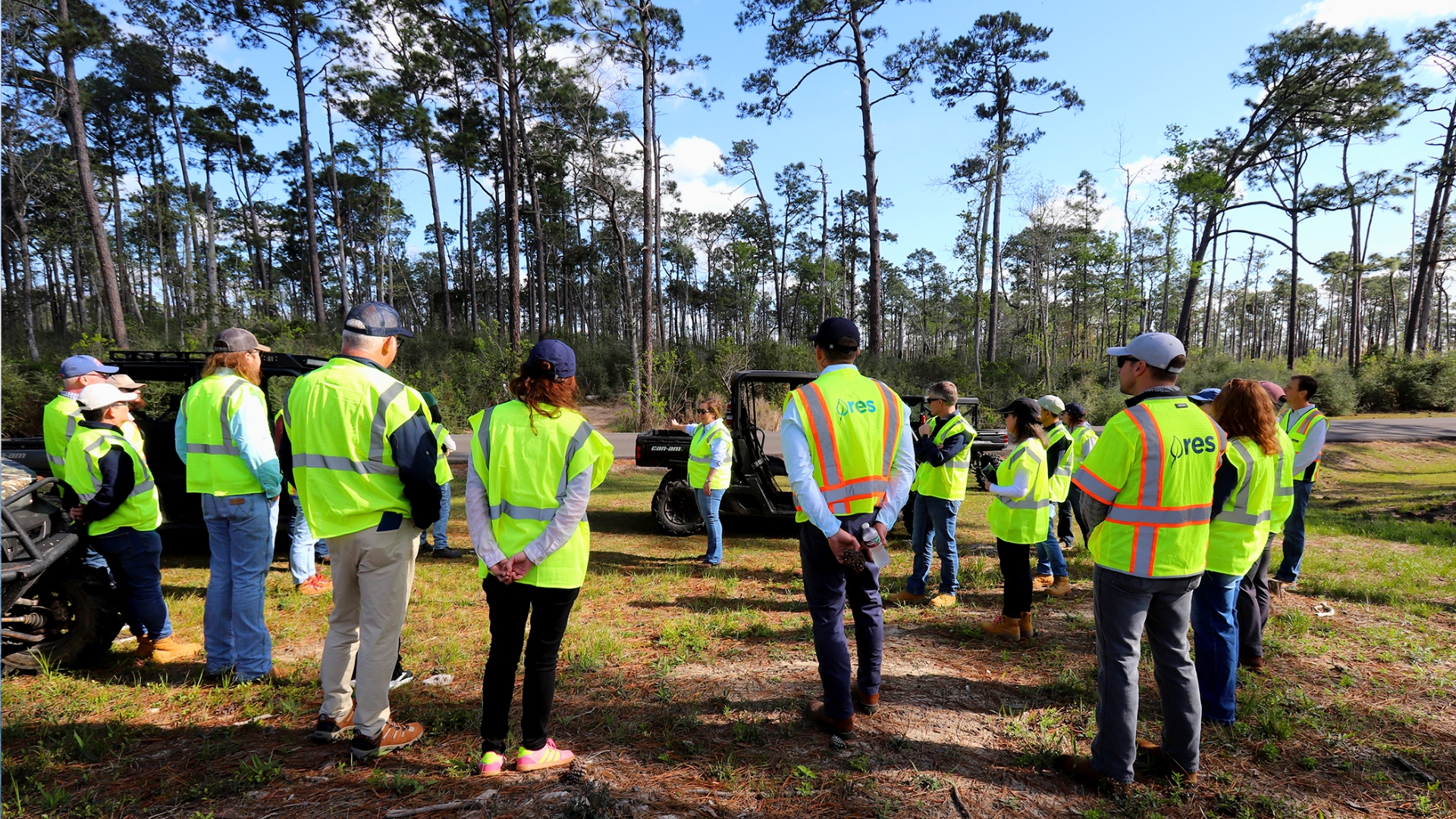
The project is scheduled to be delivered over the next six years in partnership with the Louisiana Office of State Parks, RES (a leading American ecological restoration company) and McNeese State University
The investment underscores Woodside’s ongoing commitment to supporting the restoration of regional biodiversity in local communities where the company operates.
“We understand the importance of initiatives that support the restoration of regional biodiversity and are proud to be able to make this contribution,” said Dr Luke Smith, Woodside Head of Biodiversity and Science, who was in Louisiana last month for the announcement.
Sam Houston Jones State Park is located about 100 km west of Houston in Calcasieu Parish – just a few kilometres north of our Louisiana LNG Project and 125 km east of Woodside’s Beaumont New Ammonia plant, which was acquired in September 2024.
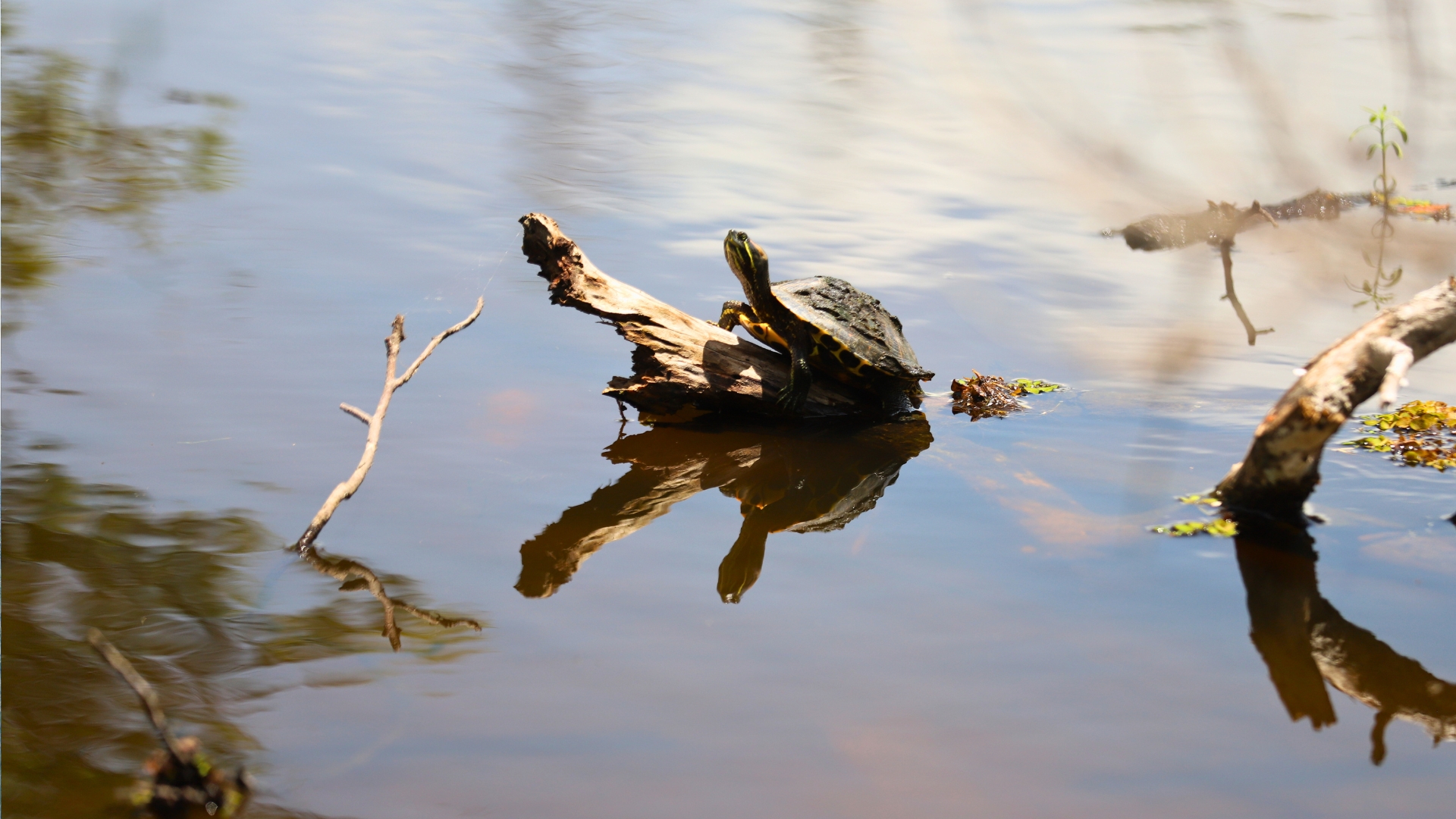
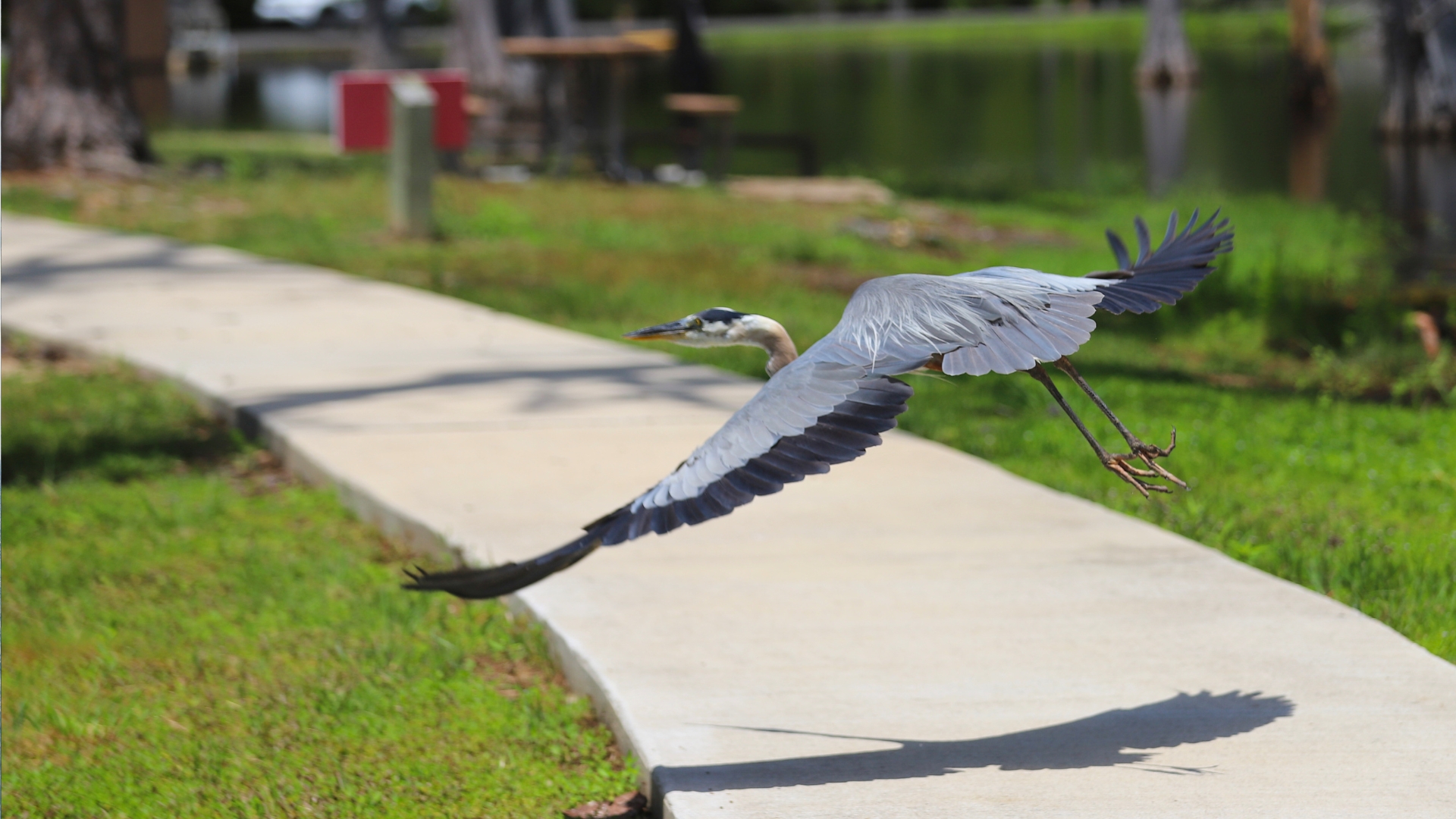
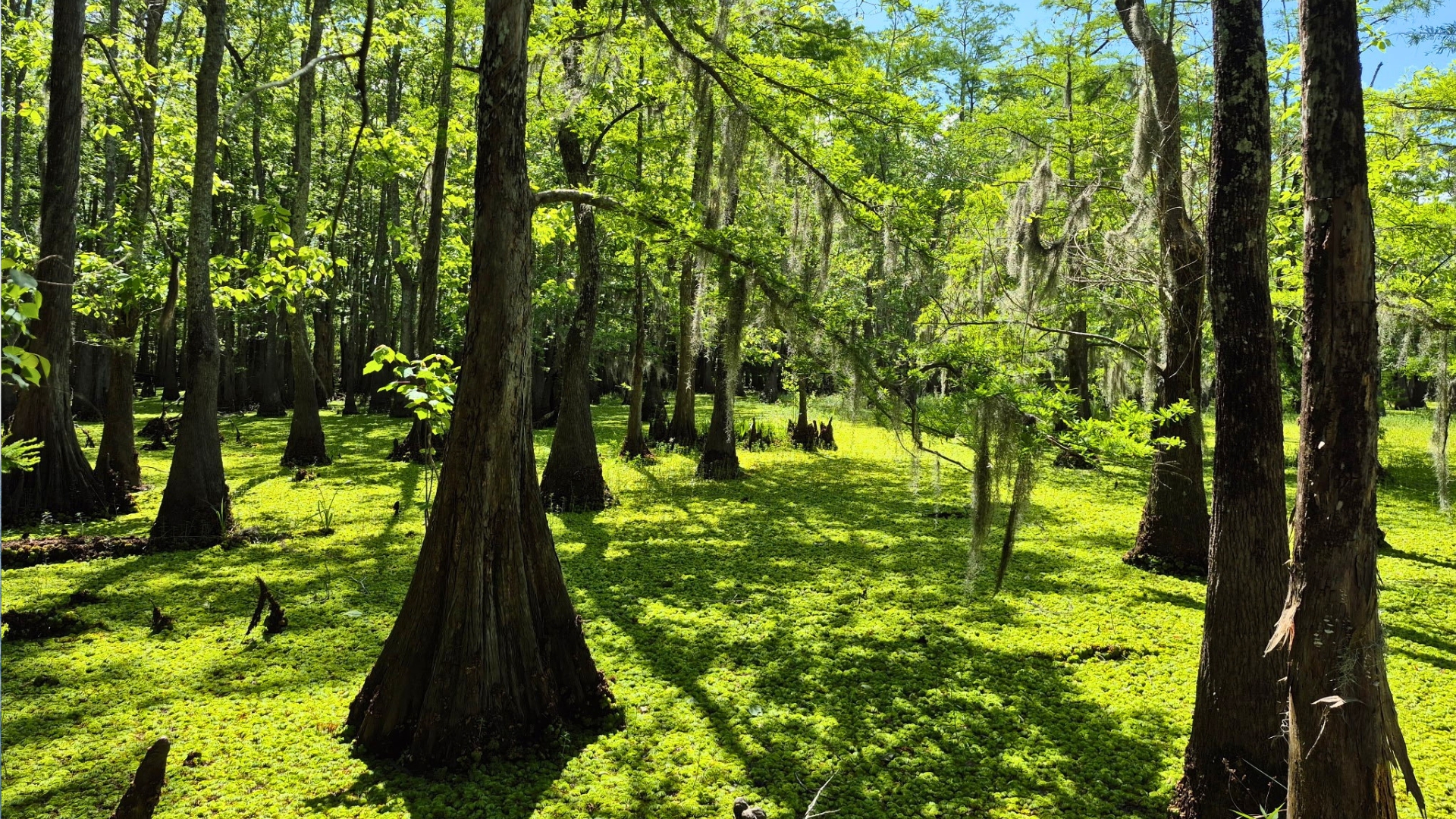
The park is renowned for its towering longleaf pines, diverse wetlands and abundant native wildlife, including a wide range of birds (including bald eagles) and bats. However, the impacts of hurricanes and years of uncontrolled invasive plant growth mean its habitats need help.
 |  |
Enter the restoration project, which aims to focus on restoring five key habitats in more than 800 acres (almost 324 hectares) of the park’s 1,100 acres (around 445 hectares).
The six-year restoration program plans to remove invasive plant species, reinstating prescribed fire, planting approximately 200,000 native trees, and re-establishing native grasses through seed dispersal. By doing so, new opportunities for visitors to learn and connect with nature will be created.
 |  |
Woodside’s exclusive funding marks the largest corporate donation ever received by a Louisiana state park.
The project adds to Woodside’s established social contribution programs in Louisiana, through collaboration with local organisations, including Restore or Retreat, Ducks Unlimited, the Coastal Conservation Association of Louisiana and McNeese State University.
The initiative is another significant step forward for our ongoing investment in Southwest Louisiana, where Woodside and its partners are committing US$17.5 billion to advance the Louisiana LNG Project in Calcasieu Parish," Woodside Executive Vice President and Chief Operating Officer International Daniel Kalms said.
He said Woodside’s contribution to the park project exemplified the company’s commitment to halting and reversing biodiversity loss through support of projects which seek to yield tangible, measurable results. Luke added: “Woodside’s Environment and Biodiversity Policy is steered by 10 core commitments that guide us on minimising our operations’ impacts on the environment and support initiatives that conserve and restore biodiversity in the regions we operate.
“For example, we take a systematic approach to minimising and managing the impacts and risks of our operations on an ongoing basis. This includes emissions, air quality, waste and water management.”
Luke pointed to another example of Woodside’s work in the biodiversity space – a new conservation and restoration program north of Perth, Western Australia.
Covering more than 44,000 hectares (almost 110,000 acres), Watheroo National Park is a high-biodiversity woodland habitat that is home to more than 1,000 plant species and numerous threatened plants and animals.
Woodside has teamed with the Western Australian Department of Biodiversity, Conservation and Attractions (DBCA) on a three-year program that focuses on feral predator management to protect threatened species, as well as supporting the recovery and resilience of threatened habitats.
“This partnership reflects something fundamental to Woodside: working with others to deliver outcomes that genuinely matter,” said Woodside EVP Technical and Energy Development Julie Fallon.