
Taking to the skies helps find out where whales are heading
How do you track a 20-metre, 90-tonne pygmy blue whale as it cruises the Western Australia coastline on its annual migration?
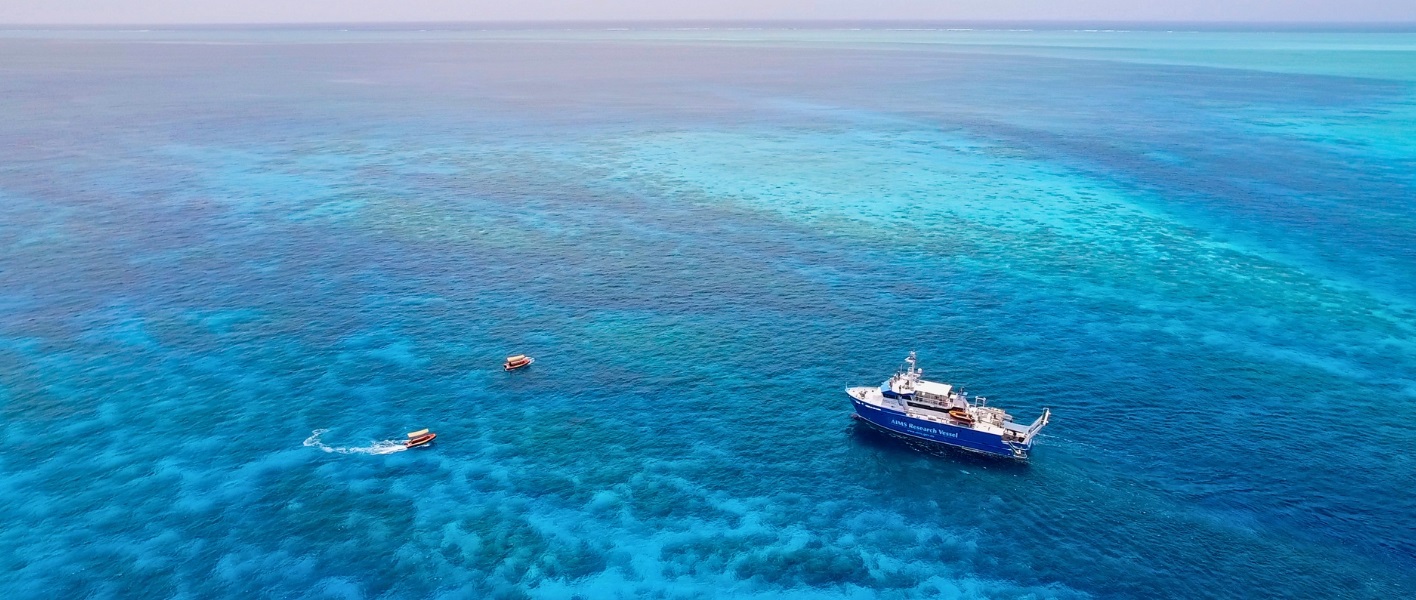
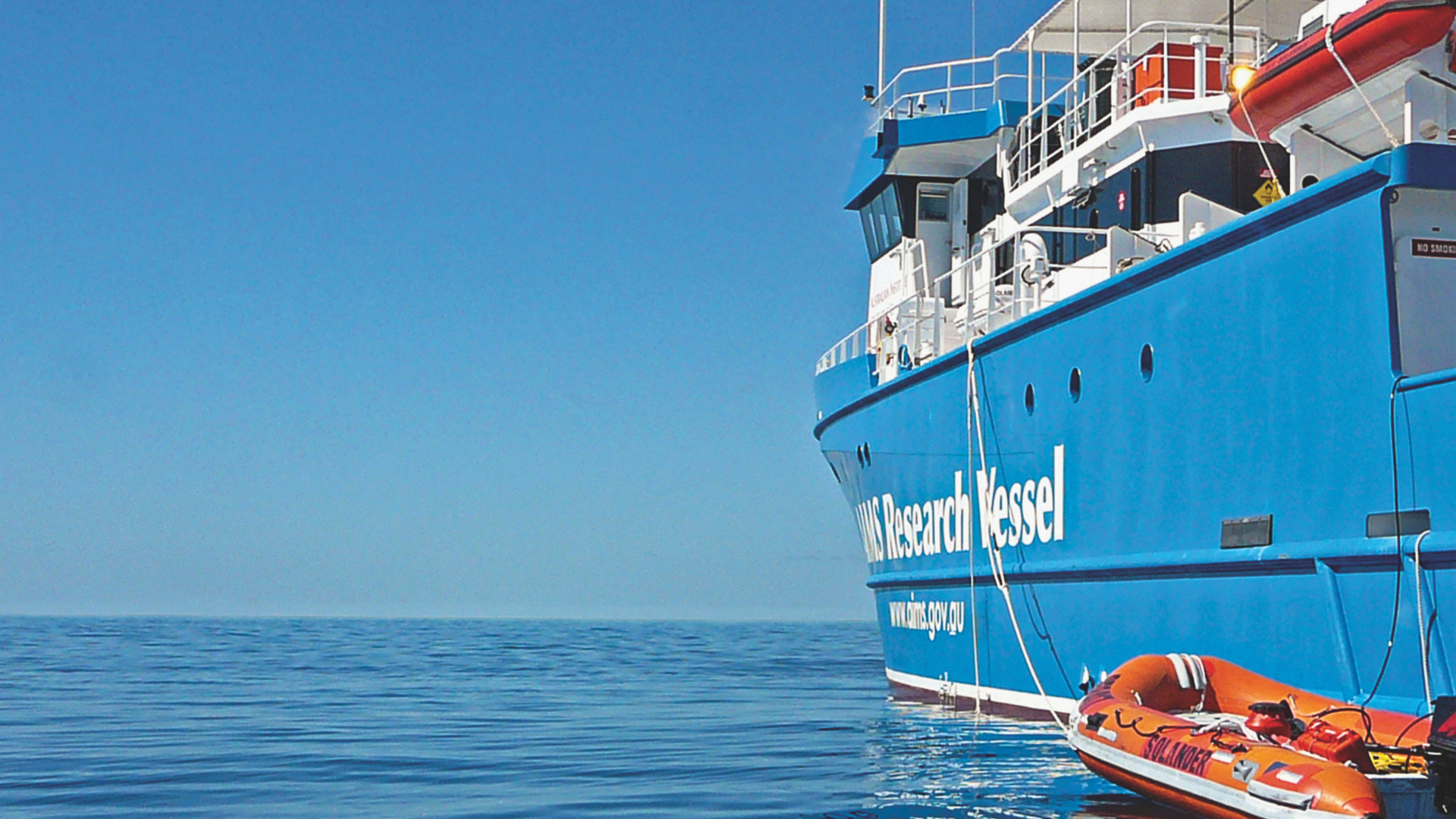
It’s one of the challenges the Australian Institute of Marine Science (AIMS) has faced in building the foundational knowledge that underpins effective environmental management of the marine environment of Australia’s northwest.
For more than three decades Woodside has been investing in the collection of marine science knowledge with AIMS.
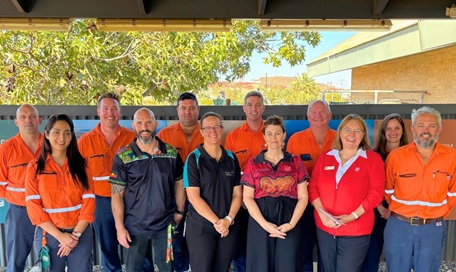
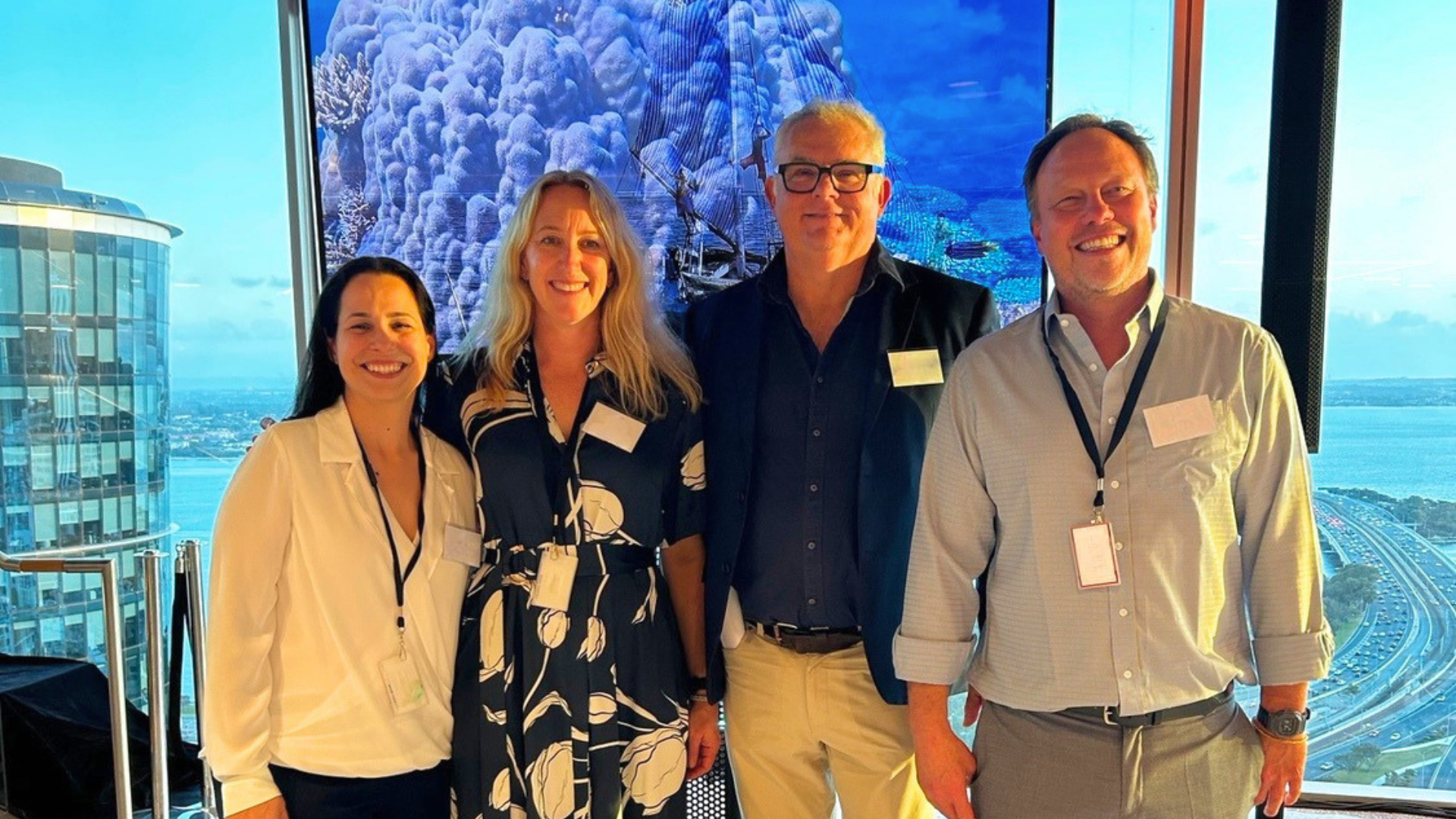
“It is likely to be one of the longest collaborations between a government-funded research agency and an industry partner – that’s something we’re incredibly proud of,” said Woodside EVP Technical and Energy Development Julie Fallon at a recent function to celebrate the scientific impact and legacy of the collaboration.
Since 1993, Woodside and its joint venture participants have significantly invested in marine biodiversity and scientific research through collaboration with AIMS.
The results include valuable knowledge to support the management of Australia’s marine waters, with more than 120 peer-reviewed publications in scientific journals.
It has improved understanding of pygmy blue whale migration pathways and behaviour in Western Australian waters," noted Julie.
Which brings us back to tagging of whales so their movements can be tracked and recorded. Marine scientists are now embracing innovative approaches to complement traditional tagging methods, including the use of drones.
In conjunction with the Centre for Whale Research WA, AIMS has investigated the testing of drone-delivered satellite tags and concluded they can be successfully deployed on large cetaceans (whales) with no adverse effects.
“This significant technological step forward, allows us to be more successful in tagging whales than traditional methods and be far less intrusive,” says Luke Smith.
In 2007, Dr Smith joined Woodside to lead the company’s environmental science program, and today he’s Woodside’s Head of Biodiversity and Science.
Luke has been an integral part of the Woodside and AIMS journey since it began in 1993 – the year he joined AIMS and was appointed to lead its Woodside-sponsored research program.
“We were growing our scientific understanding of Western Australia's marine environment, spending many months each year underwater, and they were incredibly exciting times,” he recalls.
As such, he’s acutely aware of its value to both Woodside, marine science and the wider community.
“That has meant building a science-based understanding of the environmental risks associated with Woodside’s activities, and using that knowledge to develop robust mitigation measures and support informed decision-making,” he explains.
He points to AIMS’ work on dredging science that has significantly improved local and global understanding of how dredging-related sediments affect coral reef ecosystems.
“It directly influenced how we designed and managed the dredging program for the Scarborough Energy Project,” Luke notes.
 |  |
This valuable work is set to continue because the need remains.
“The environmental challenges of the future are unlikely to become simpler,” Julie said.
“Meeting them will require credible science, strong partnerships and a willingness to keep learning.
“Those qualities have been at the heart of the collaboration for more than 30 years, and they are just as important as we look to the future.”