
Pluto gas powering Western Australian critical mineral
Pluto LNG is supporting PLS on its decarbonisation journey, providing one of Australia’s leading critical minerals producers with a secure and reliable form of energy to power its growth ambitions.
Woodside has been providing domestic gas since 1984 and has supplied the equivalent of more than one third of our LNG exports to Western Australian homes, businesses and industry.
Aligned with PLS’s Power Strategy, the introduction of Woodside-supplied domestic LNG has assisted Pilgangoora to reduce power-related greenhouse gas emissions intensity from its operations by reducing diesel use.
“Over FY25, PLS reduced power-related greenhouse gas emissions intensity by 20%, contributing to a 7.1% decrease in absolute Scope 1 and 2 emissions,” says Chris Luke, PLS General Manager Operations.
“A key enabler of this achievement was our transition in power generation fuel supply from diesel to trucked LNG sourced from the Woodside Pluto LNG Plant.”
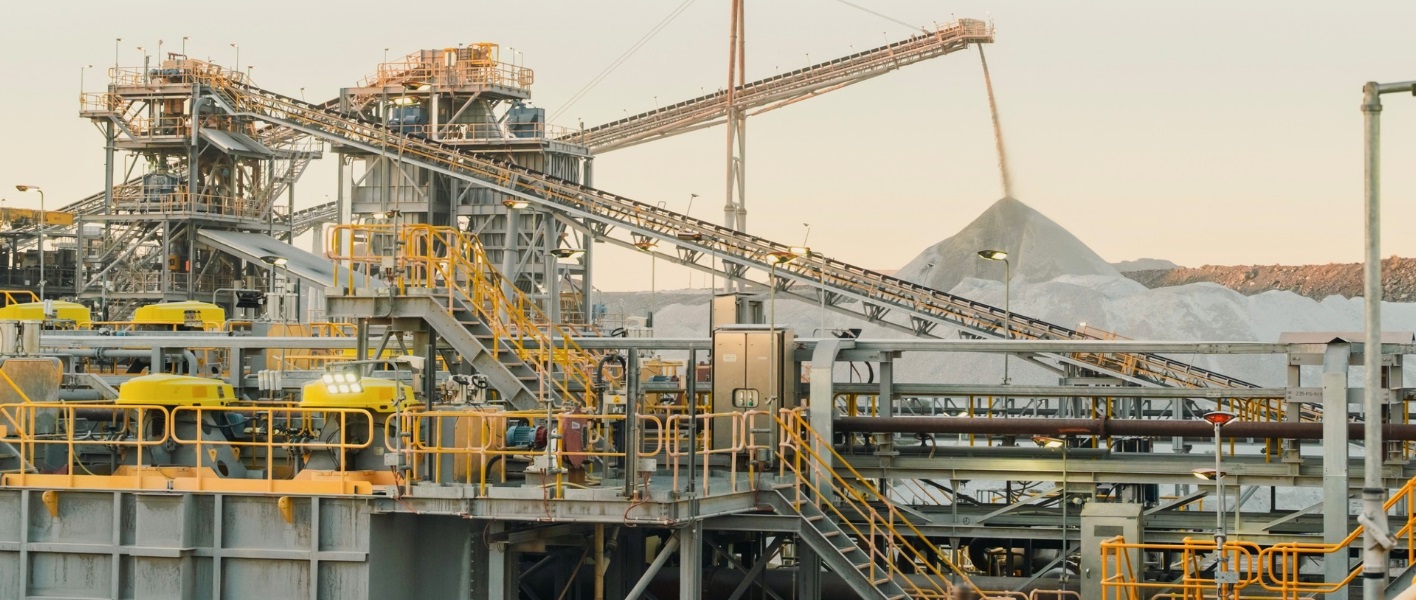
Pilgangoora, about 140 km south of Port Hedland in WA’s north-west, is PLS’s flagship operation.
The West Australian-based lithium miner has been delivering on its strategy to grow its assets to support the global energy transition. It changed its name from Pilbara Minerals to PLS in 2025 to reflect the company’s strategic shift, after earlier that year acquiring Latin Resources and its Colina project in Brazil.
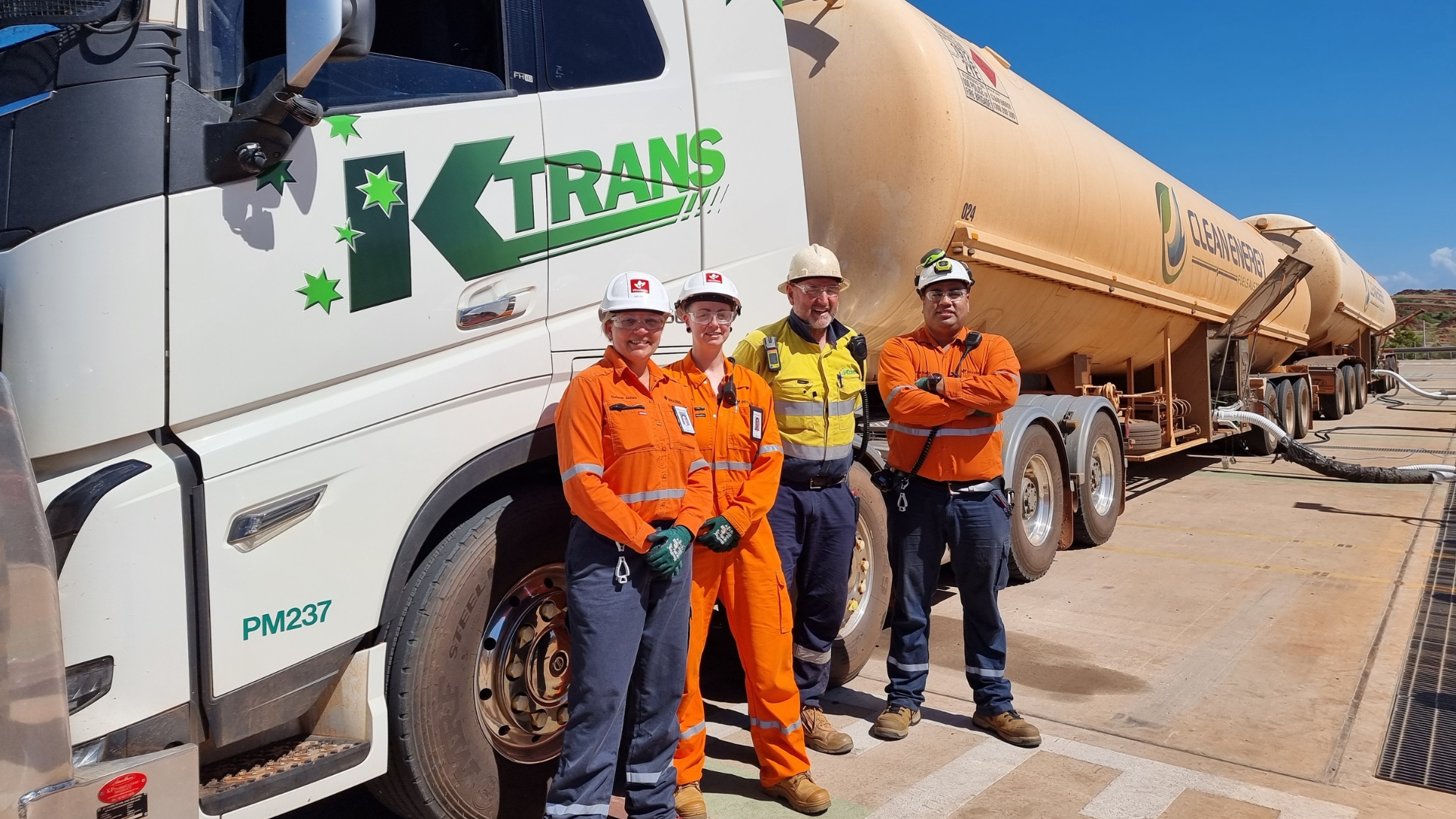
Woodside’s LNG is trucked from the Pluto LNG Plant, averaging two or three deliveries daily by transport sub-contractor K-Trans via EVOL LNG, which manages the LNG site storage facility.
Pilgangoora is not only one of the world’s largest independent lithium projects, but the high-grade, low-cost mine also produces as a by-product tantalum, which is needed to manufacture smartphones, laptops, semiconductors and turbine blades.
In 2021, PLS announced its net zero emissions ambition by the decade commencing 2040 and launched decarbonisation efforts across its operations.
“At the time, diesel was the primary fuel for the Pilgangoora mine’s power production,” Chris states.
“The Power Strategy, released in December 2023, outlined a phased approach to cut diesel dependency and introduce LNG and battery energy storage at the Pilgangoora operation to reduce its power-related emissions.”
Gas was identified by PLS as one of the key enablers in the first stage of its Pilgangoora Power Strategy, and Stage 1 was completed last year.
 |
The refurbishment of the power generation included 12 new 2.5MW gas generators and a lithium-ion battery energy storage system. Some diesel generators remain to ensure additional power security; but diesel-related power generation has been cut by about 90%, leading to a greenhouse gas emissions reduction.
As Glenton Moses, PLS Group Advisor – Climate Change, explains: “The expansion of the power station and first delivery of LNG to the Pilgangoora Operation in October 2024 marked a significant milestone in PLS’s Power Strategy.”
“This has been a positive step in PLS’s pathway to net zero emissions, delivering more reliable power to the Pilgangoora operation, plus the capacity to add more renewable energy sources down the line.”
Woodside Marketing Manager, Angelina Cox says: “We’re proud to partner with PLS as it advances its energy transition at Pilgangoora.
“Our focus has been on listening to their operational needs and working collaboratively to support a safe, reliable LNG supply that can help our customer to reduce their emissions intensity compared with diesel-based generation.”