
A critical time for our industry
It’s hard to remember a time when Australia has been so alive with discussion and debate around the issue of energy security and the policy settings required to ensure it.
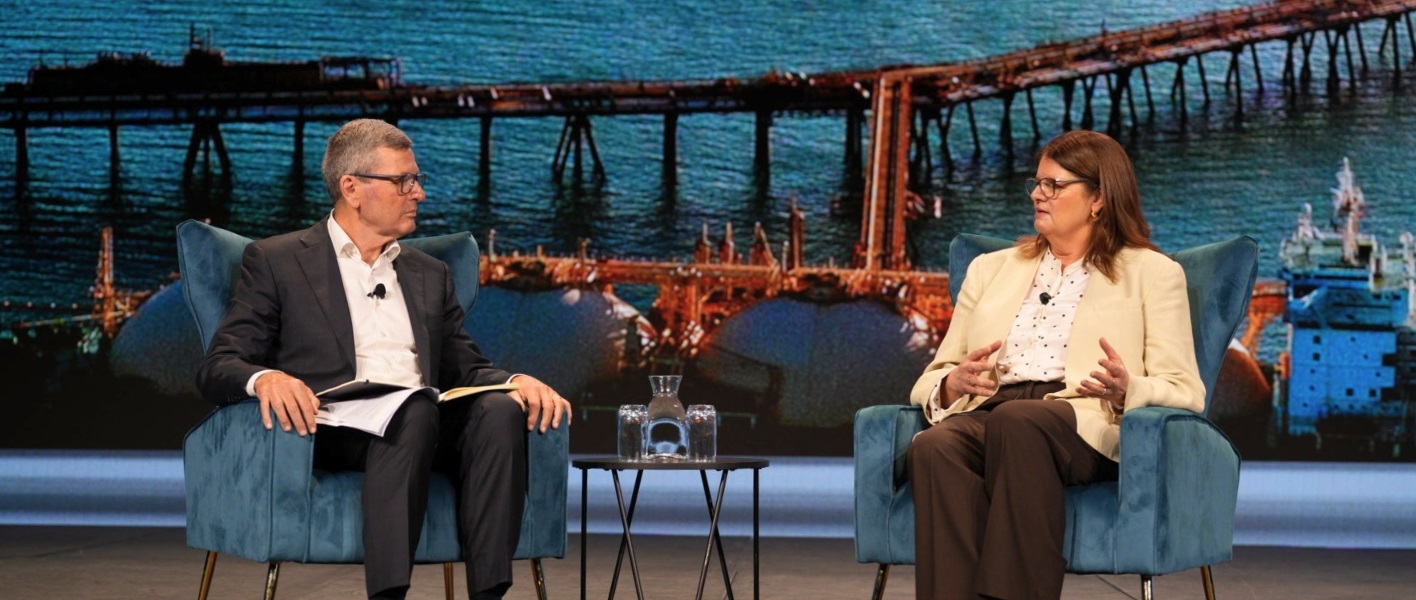
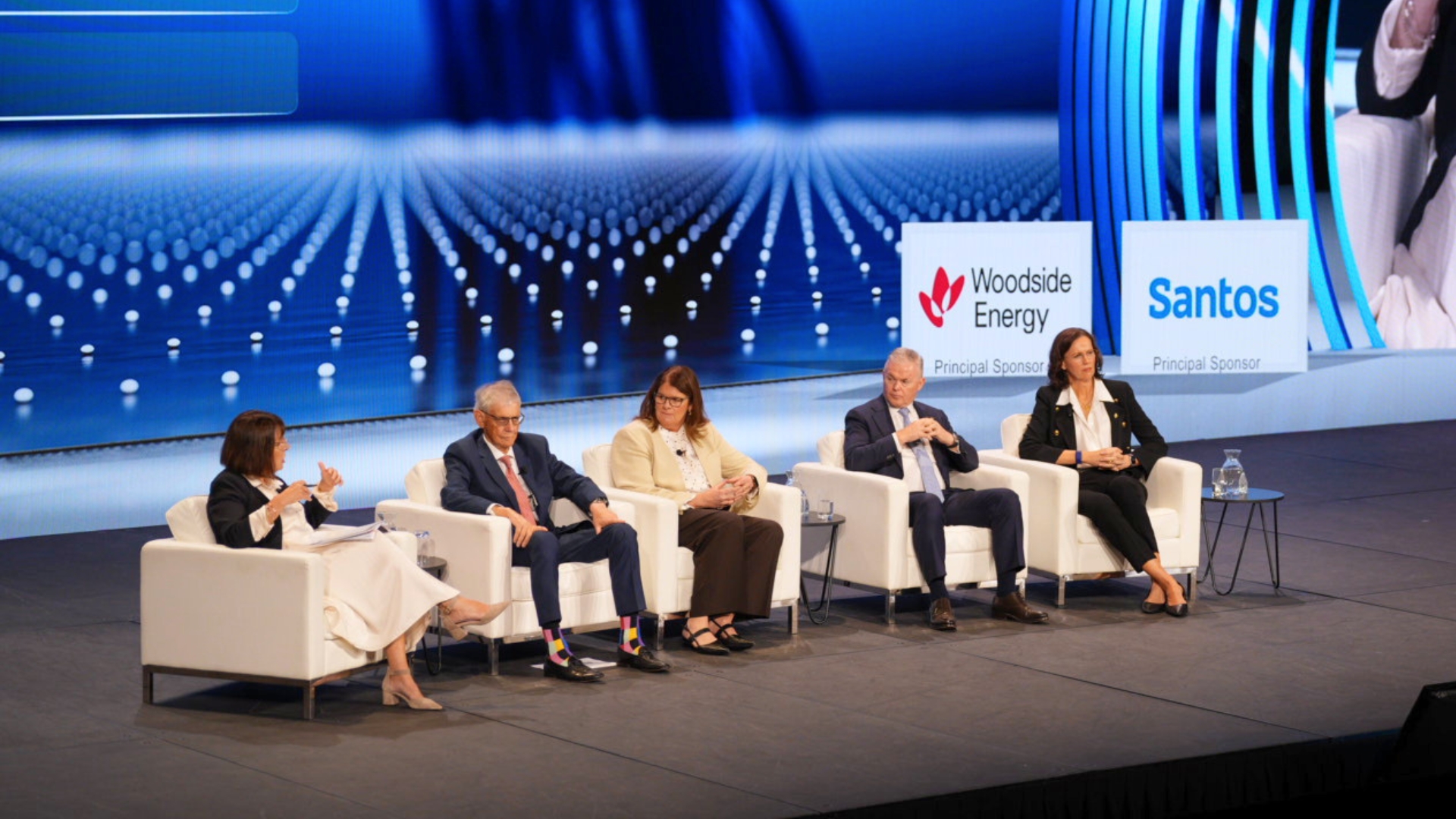
This month industry and political leaders gathered in Adelaide for the annual Australian Energy Producers 2026 Conference & Exhibition.
Meeting against a backdrop of conflict in the Middle East, disruptions to fuel supply, a campaign for increased taxation, and a proposed new national gas reservation policy, there was plenty to talk about.
Here’s a recap for those who missed it …
The importance of Australia’s energy security and sovereign capability
Securing Australia’s future energy needs while remaining a trusted LNG trade partner was a central narrative explored by industry leaders.
Our CEO Liz Westcott stated that Woodside is ready to make an even bigger contribution, sharing how the business is “working hard to develop new gas supply in Australia, including through our proposed Browse to North West Shelf Project in Western Australia”.
Browse is Australia’s biggest undeveloped offshore gas resource and independent modelling commissioned by Woodside shows it has the potential to contribute more than A$56 billion in taxes, support thousands of jobs, and power homes and businesses for decades.
Stable long-term policy
An important view from industry was how increasing supply, not more policy intervention, is the key to a well-supplied and affordable Australian gas market.
Developing new supply projects like Browse requires stable, predictable and competitive tax and regulatory frameworks, which we continue to advocate for in our discussions with government,” said Liz.
Many delegates agreed that with the right long-term policy settings in place, Australia can leverage its abundant natural gas resources, regional partnerships and industry strengths to remain a global energy leader.
Across the board, advocates expressed a desire for an enduring framework that delivers certainty for producers, users and regional partners.
Deterring investment
Elsewhere, commentators highlighted the risks of Australian oil and gas projects becoming unattractive to investors.
“A decade ago, about a third of investment in the gas sector globally was in Australia. Now it's 7% or 8%,” warned Dr Michael J. Green, Chief Executive Officer of the United States Studies Centre Australia.
Dr Green said Australia was already missing out on international investment to competing destinations, including the US and Canada.
 |
Economic contribution
Amid calls for increased taxation of our industry, AEP Chair Cecile Wake highlighted the sector’s significant economic contribution, including A$21.9 billion in taxes and royalties last year, more than A$100 billion annually to the Australian economy, and around 215,000 supported jobs.
“Against the backdrop of a global energy crisis, it has been deeply concerning to see aggressive misinformation campaigns aimed at undermining public sentiment about the economic contribution of our industry and attempting to strong-arm the Australian Government into imposing higher taxes on our sector,” Ms Wake said.
Now, more than ever, is the time to get behind Australia’s oil and gas industry, to unlock the potential of our abundant natural resources, and ensure that future Australian generations benefit from the jobs, economic return and energy security that our industry is well placed to deliver.”