
Gippsland Basin operatorship – Three things to know
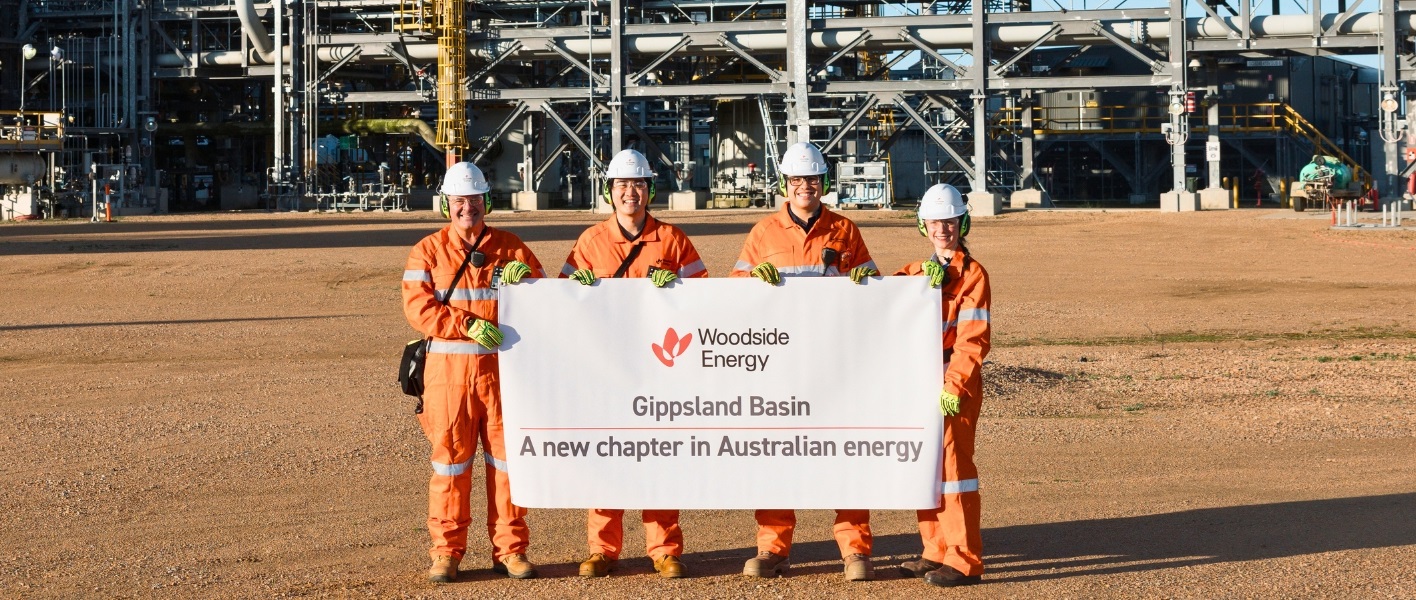
When operatorship of the Gippsland Basin assets transferred from ExxonMobil to Woodside on Wednesday, it marked a historic day for our company, returning us to our roots in Victoria.
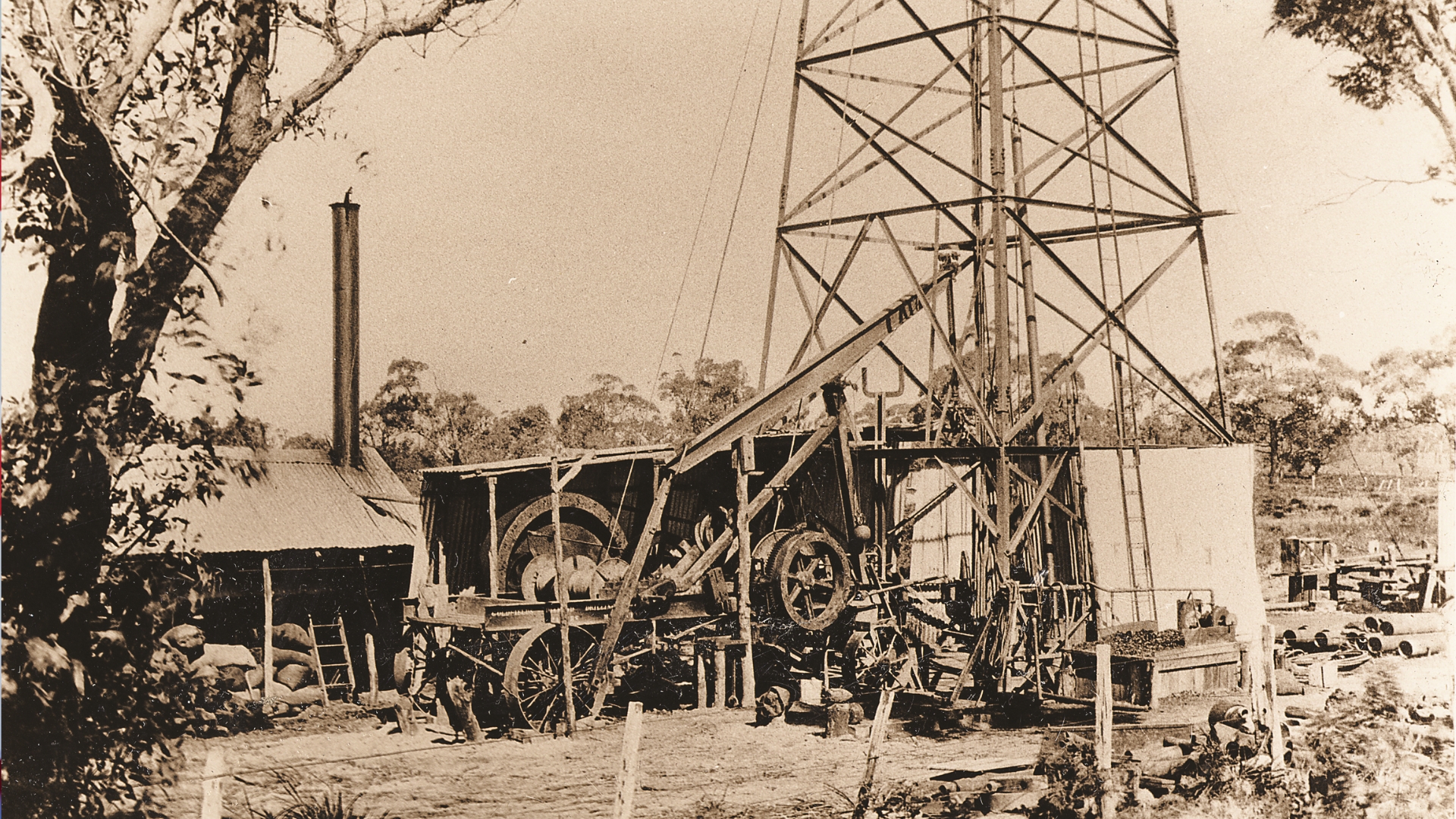
Taking its name from the small town of Woodside, 225 km east of Melbourne, our company officially began life in 1954 as a junior oil explorer in the Gippsland region.
This next chapter reconnects us with that history, as we build on a legacy that started in the region and return as Australia’s leading energy company.
 |  |
Bringing the Gippsland Basin assets into Woodside is also a homecoming, returning us to the state where, more than 70 years ago, our company began," CEO Liz Westcott noted.
And for Liz, it’s personal and particularly meaningful, as she started her career at ExxonMobil as a graduate.
“It’s a powerful reminder of the legacy of Gippsland and the opportunity ahead,” she said.
The transition involves the transfer of operatorship, not asset ownership.
The Gippsland assets include the Gippsland Basin Joint Venture (GBJV) and the Kipper Unit Joint Venture (KUJV).
Woodside and Esso Australia Resources (a subsidiary of ExxonMobil Australia Pty Ltd) each hold a 50% interest in the GBJV. The KUJV is jointly owned by Woodside, Esso Australia Resources and Mitsui.
Here are three more facts you might not have known:
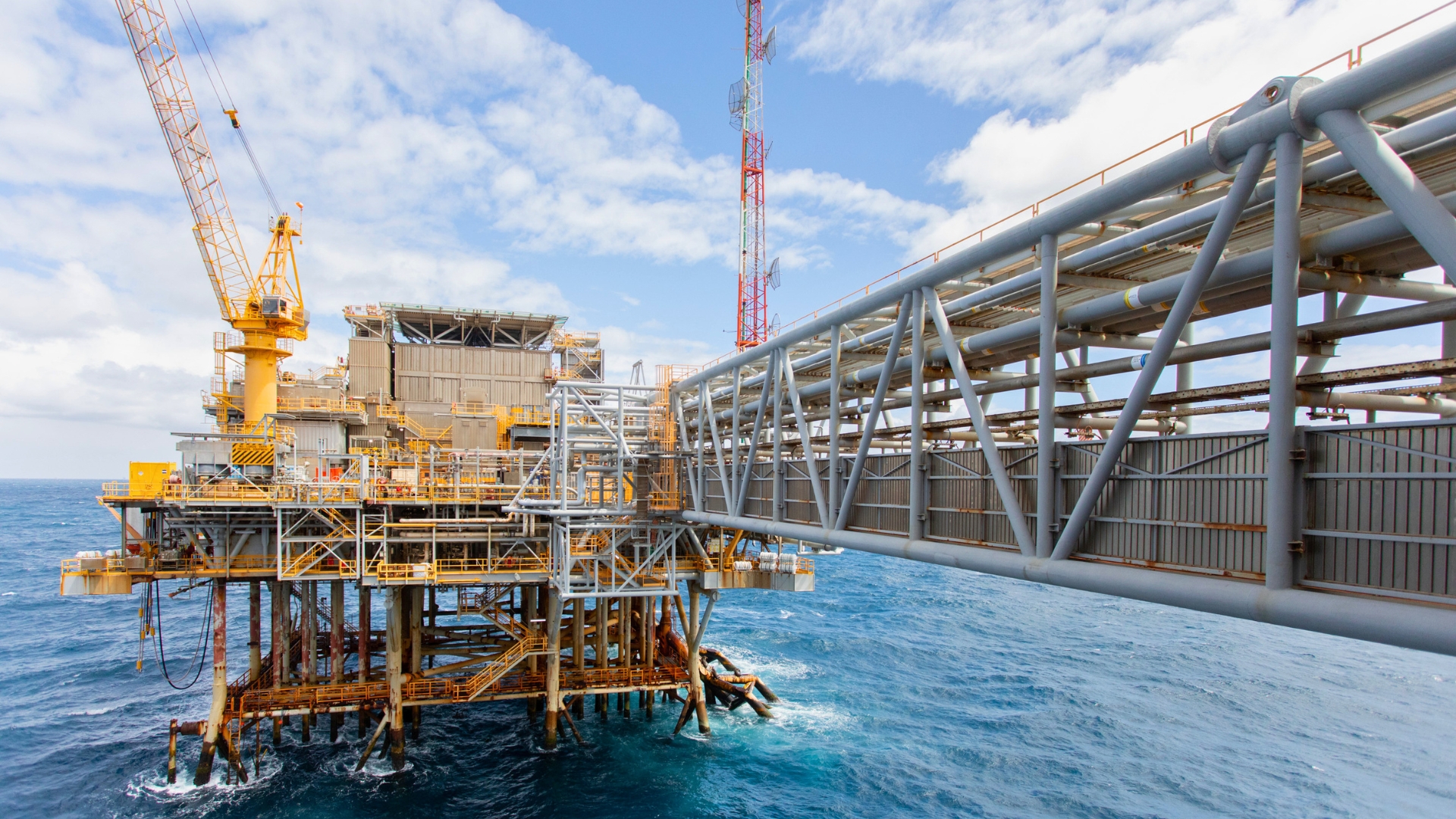
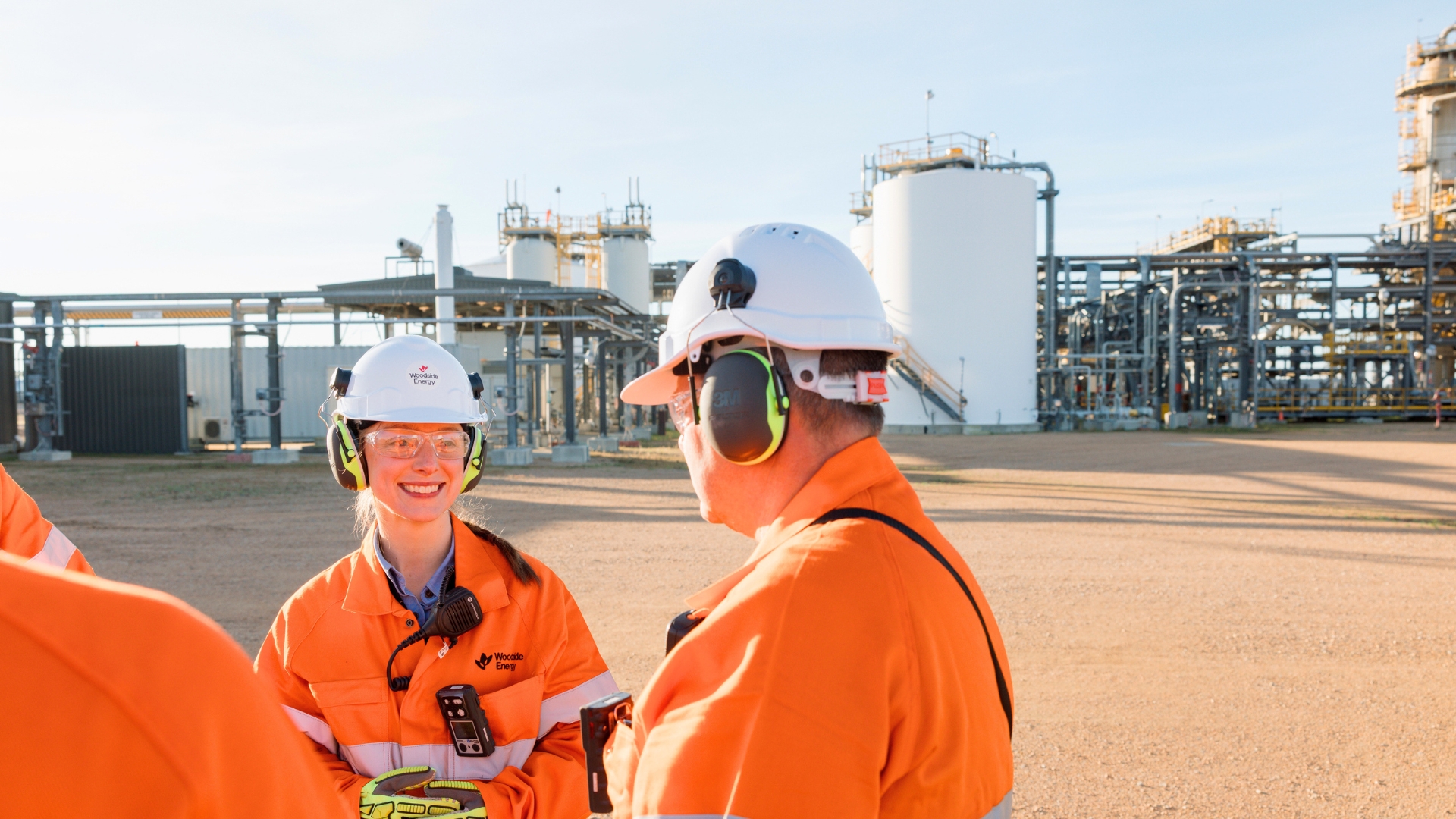
- The Gippsland Basin assets include six operating offshore platforms, two onshore processing facilities plus a heliport, marine terminal and offices, with about 1,200 employees and contractors supporting its activities. Liz warmly welcomed all new team members and said: “Our combined strengths position us well for the future, and I’m excited for what we will achieve together.”
- Every molecule of energy from the operations is supplied to power homes and industry in Australia’s eastern states, as it has done since its start.
- The assets will remain central to Woodside’s Australian operations, supporting ongoing energy supply while advancing a major decommissioning program and assessing new opportunities – including four gas field developments. If sanctioned, these could deliver up to 200 petajoules of gas to the east coast gas market – that's enough to power all homes in Melbourne for about two years.
 |