
Behind the flame: Pluto’s flare upgrade redefines safety and emissions performance
Pluto LNG’s shiny new flare tip is just the tip of the iceberg for improving safety and emissions on site.
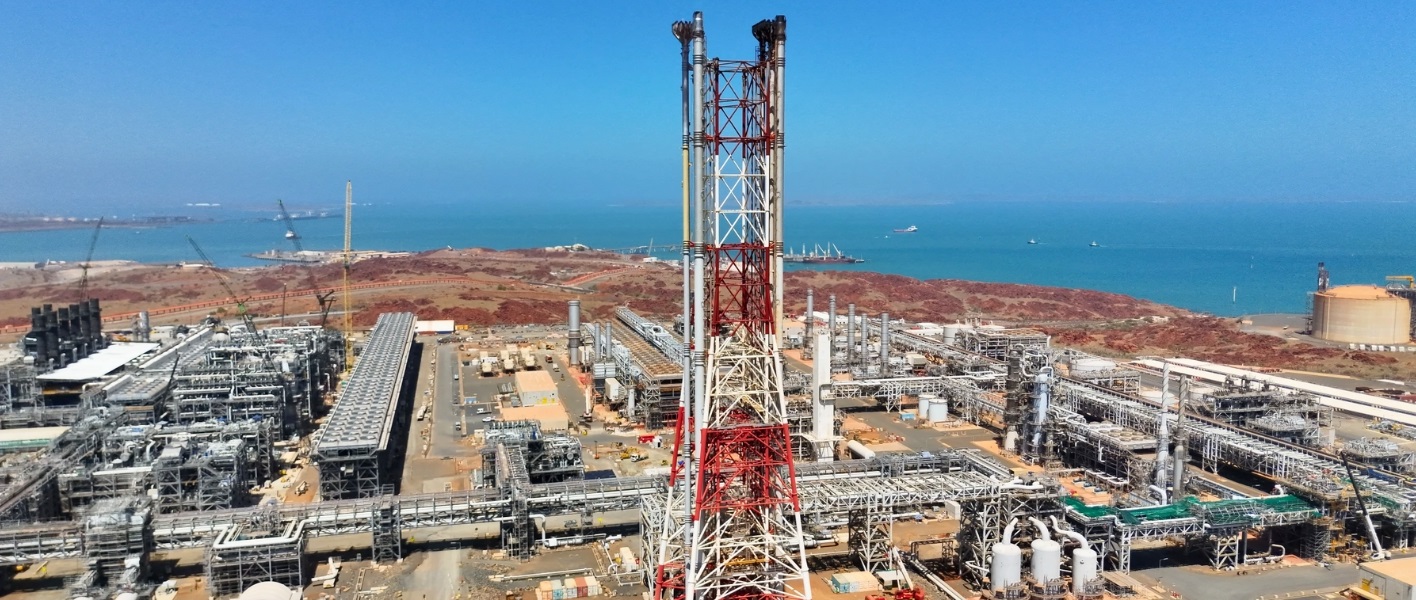
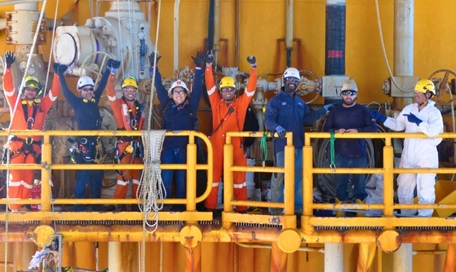
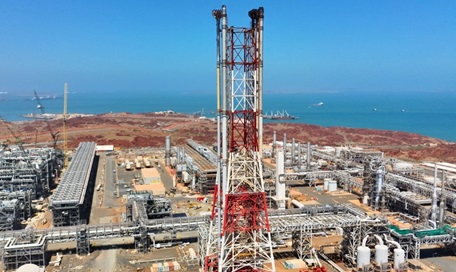
After more than five years of careful planning and design, teams led by Senior Pluto Systems Engineer Lincoln Fernandes have delivered new technology to improve Pluto’s flare system.
“It’s been a huge collaborative effort focused on the facility continuing to operate safely and reliably, improving how gas is burned in the flare and reducing smoke where possible to support future operations.”
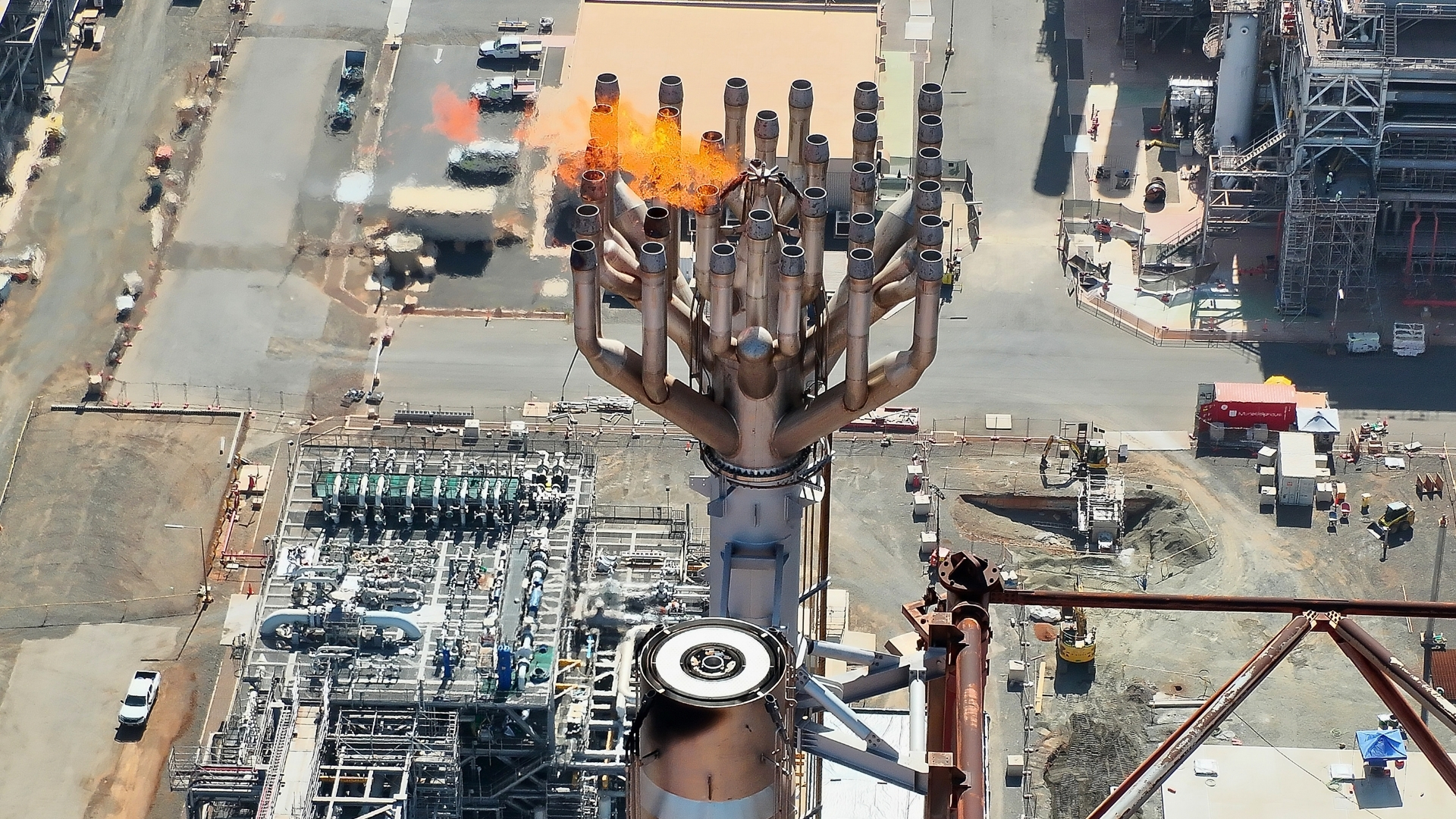 |
The flare system is a critical safety mechanism, designed to safely dispose of hydrocarbons during normal operations as well as rapidly depressurise the facility in the event of emergencies.
It’s also important to Pluto’s emissions environmental performance.
Flaring converts methane and other hydrocarbons into carbon dioxide and water, meaning any imperfect combustion could lead to methane slip to the atmosphere.
To improve combustion and emissions performance, the team embraced innovative technology, which have set new benchmarks for our operations," says Lincoln.
There were two standout technologies driving the change.
The first is the installation of a new gas chromatograph system, which provides accurate measurements of the specific gas components, such as methane and nitrogen.
These measurements help the Operations team fine-tune flare performance, which may improve combustion and emissions management.
It also addresses a long-standing reporting challenge. Previously, flare gas was assumed to be entirely hydrocarbons under Australian greenhouse gas reporting requirements, despite the cold-dry stream containing approximately 50–70% nitrogen.
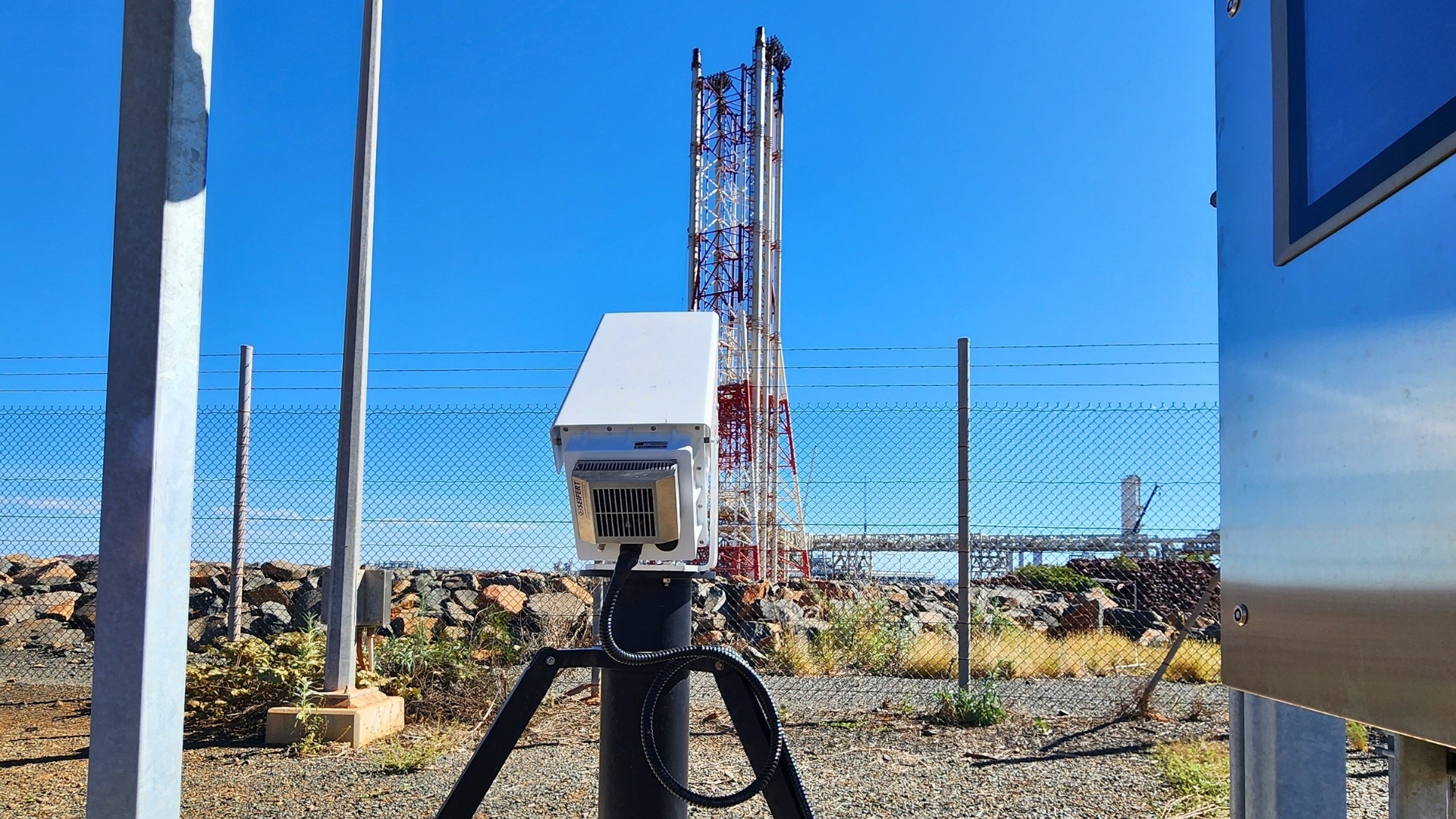
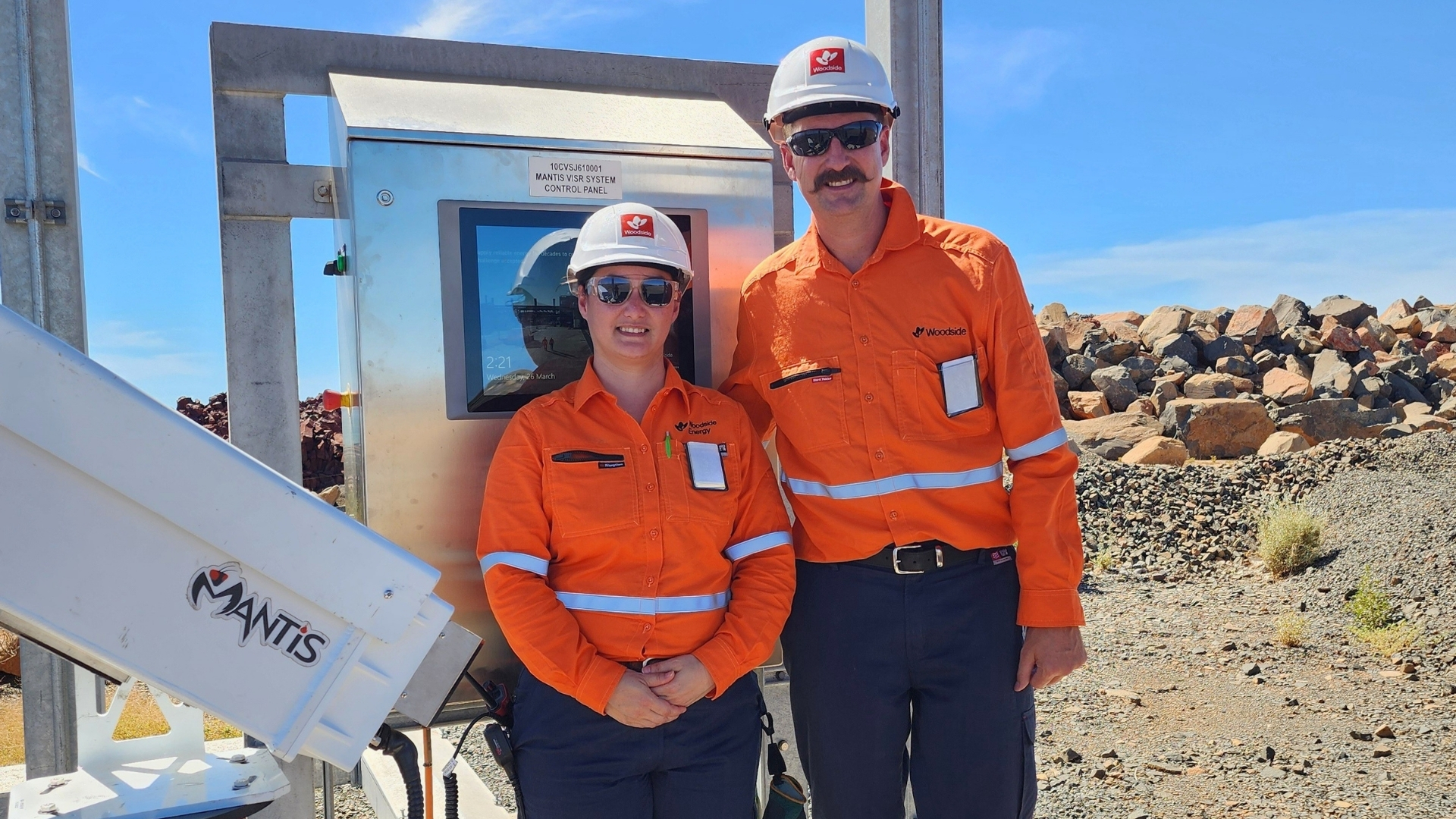
The second is the introduction of advanced Video Imaging Spectro-Radiometry (VISR) cameras. These high-tech cameras use a multi-spectral imager to provide live and continuous monitoring of the combustion performance of the new flare system.
“This innovative system demonstrates Pluto’s aspiration to being high-tech and lower-carbon while setting the benchmark for emissions management in line with our Oil & Gas Methane Partnership 2.0 ‘Gold Standard’ approach,” says Lincoln.
“The project showcases what’s possible when we work together to improve safety, reliability and manage emissions, as one team.”
The Pluto flare will undergo staged maintenance throughout the year to ensure the system remains robust and ready for Pluto Train 2 integration.
 |  |