
A who’s who of the Gippsland Basin assets
Climb aboard a chopper from Australia’s largest privately-owned helicopter fleet, and let’s survey Woodside’s new ‘fish stock’ we’ve landed in the transfer of operatorship of the Gippsland Basin assets.
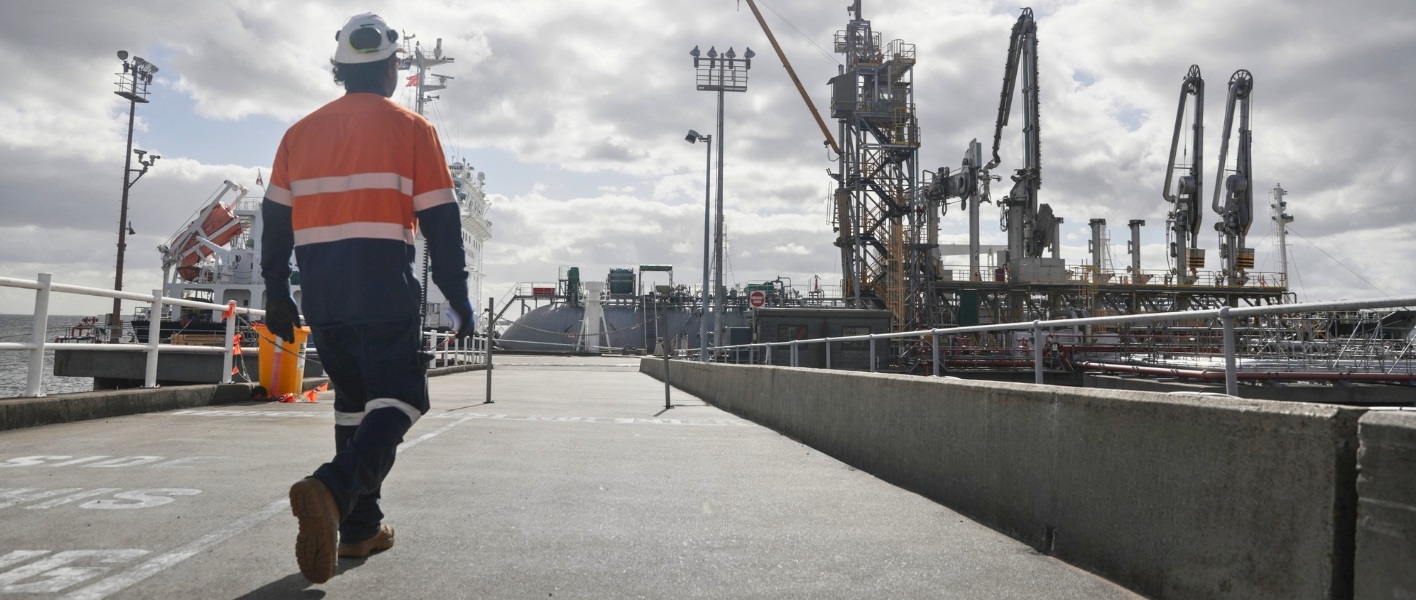
The assets include oil and gas fields named after local fish.
We inherited our interests in the Gippsland Basin assets as part of Woodside’s 2022 merger with BHP’s petroleum business and, on 1 July 2026, assumed operatorship of those assets, including the Gippsland Basin Joint Venture (GBJV) and Kipper Unit Joint Venture (KUJV).
With operatorship comes both the responsibility and privilege of helping supply much-needed gas to Australia’s eastern states. Indeed, the Gippsland Basin remains the largest single source of gas supply to the east coast domestic market.
But what exactly do the assets comprise?
People
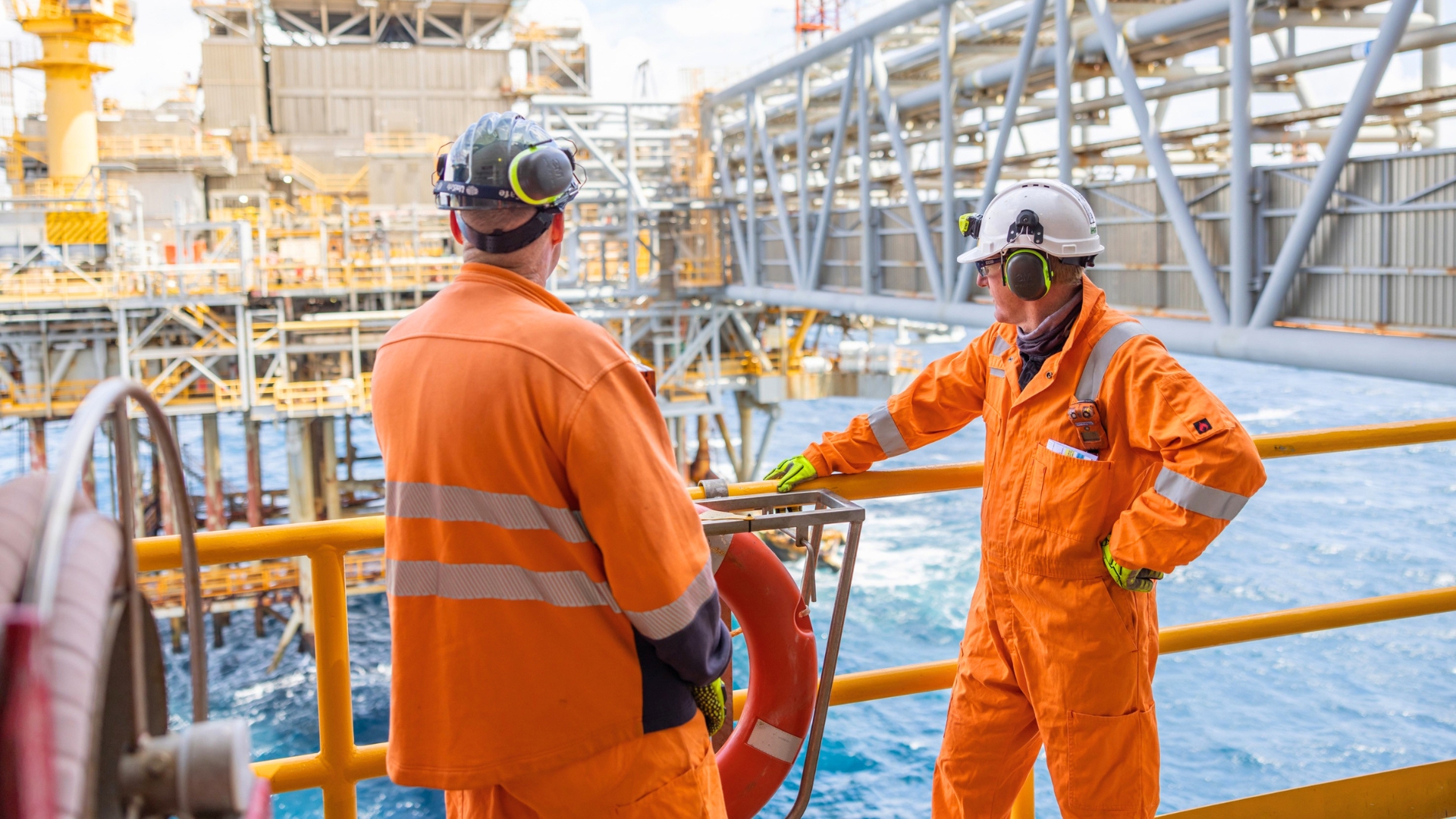
People are Woodside’s most important asset and about 1,200 newcomers have been warmly welcomed to our team.
 |
Offshore
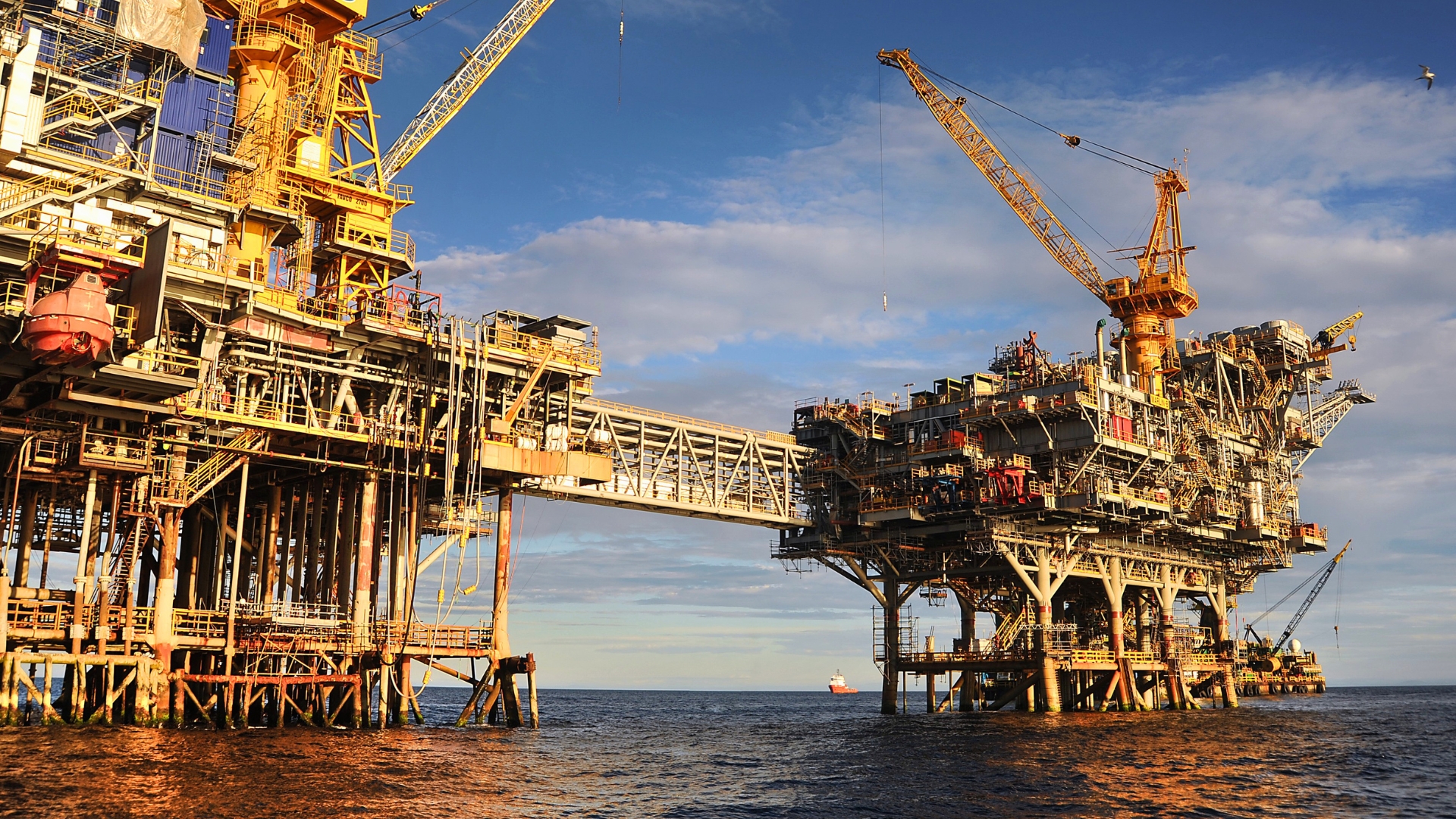
Our offshore and onshore operating network includes around 200 wells, more than 800 km of subsea pipelines and six offshore platforms.
The fields and their associated platforms are all named after fish indigenous to the Strait – a trend that started in the early days of the JV exploration when enormous potential was realised. These include Snapper, Marlin, Turrum, Tuna, Barracouta and Kipper fields, alongside 13 facilities that have reached the end of their productive life.
Gas production and supply from the Bass Strait will continue into the next decade, while work to safely decommission non-producing facilities is also well underway, with more than 200 of the original 421 wells already permanently sealed.
 |
Longford Gas Plant
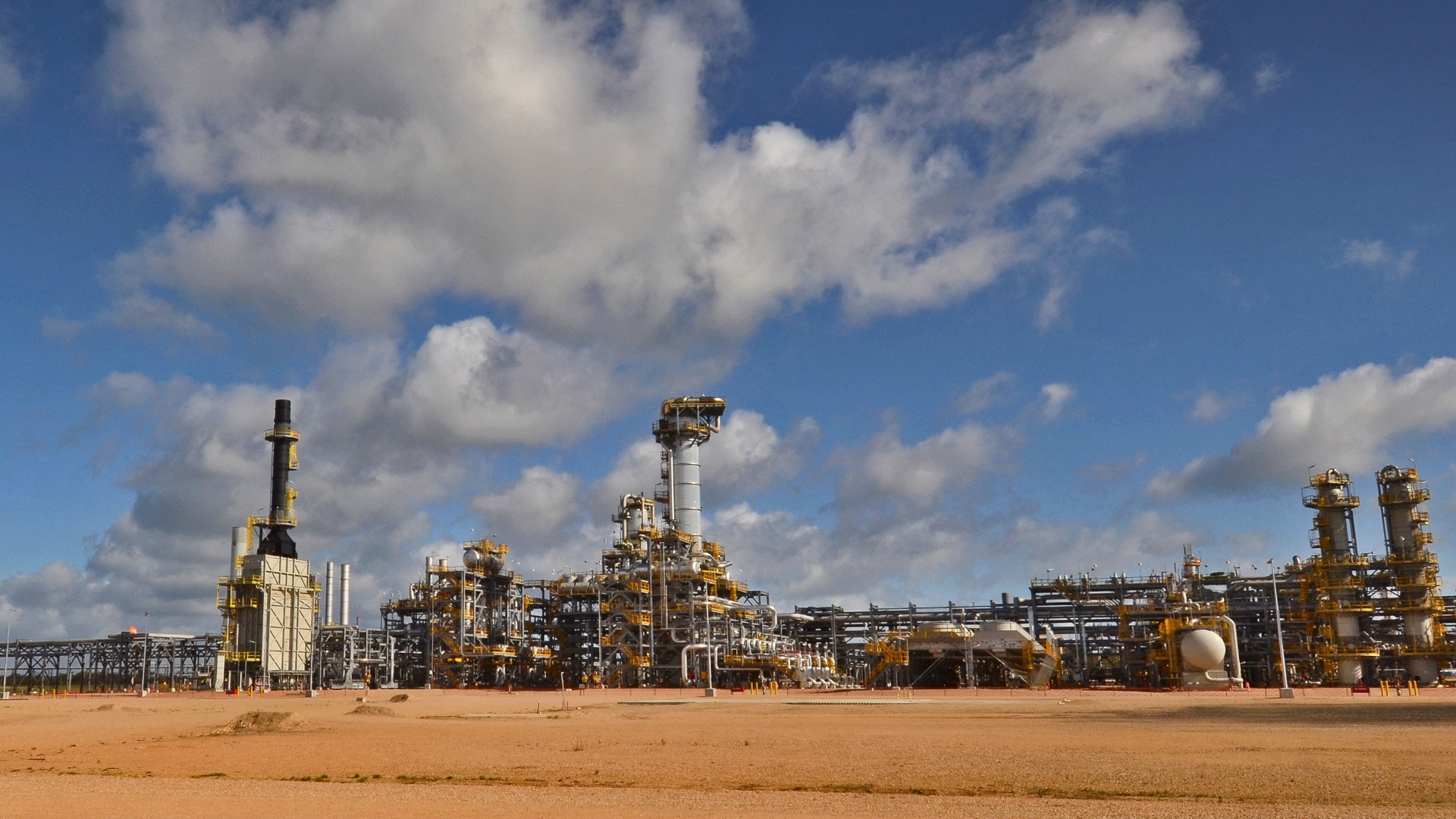
Located 20 km from Sale, this plant has been one of Australia’s most important industrial facilities since 1969, supplying most of Victoria’s gas requirements and also providing gas to New South Wales, South Australia and Tasmania.
Since the end of oil production in 2024, Longford has been streamlined. Today, it comprises two gas plants, a gas conditioning plant and pipelines extending 187 km to Long Island Point, 75 km from Melbourne on Mornington Peninsula.
Adjacent to Longford are facilities run by Air Liquide Australia and BOC which process and purify carbon dioxide (CO2) from Longford’s gas conditioning plant for Australian businesses. CO2 is typically used by the food, beverage, hospitality, manufacturing and medical sectors.
 |
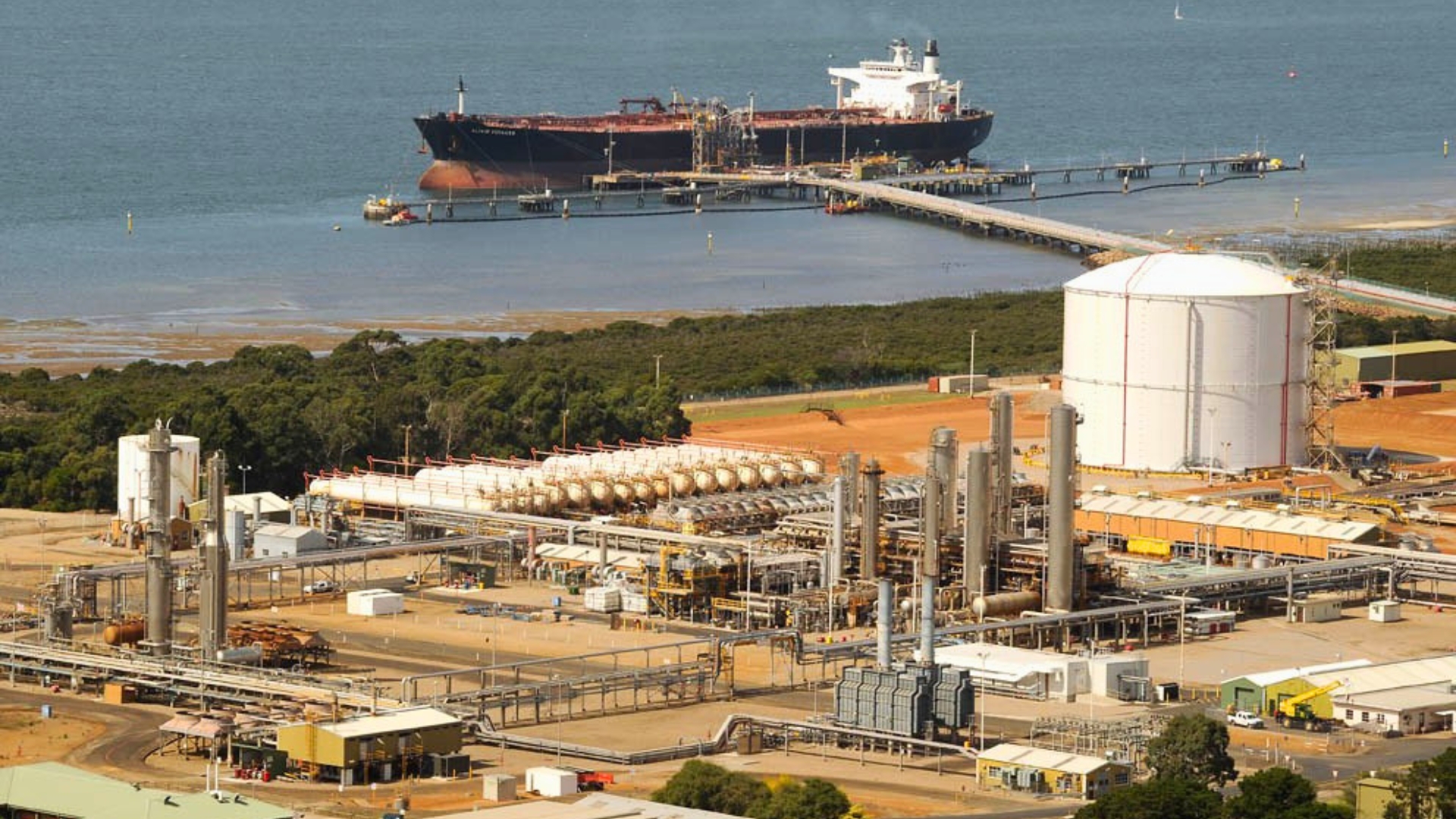
Long Island Point
This asset carries out the final stage in the processing of the gas liquids (ethane, propane and butane) and stores condensate, prior to distribution.
The site houses various facilities including a fractionation train, 17 pressurised LPG storage vessels, five refrigerated atmospheric pressure storage tanks, an LPG truck loading terminal, four condensate storage tanks and a jetty for loading LPG and condensate on to ships.
An ethane-powered generation facility comprises three lower-emissions ethane power generation units that transform excess ethane into 35-40 megawatts of electricity – enough energy to power half the households on the Mornington Peninsula.
 |
Heliport
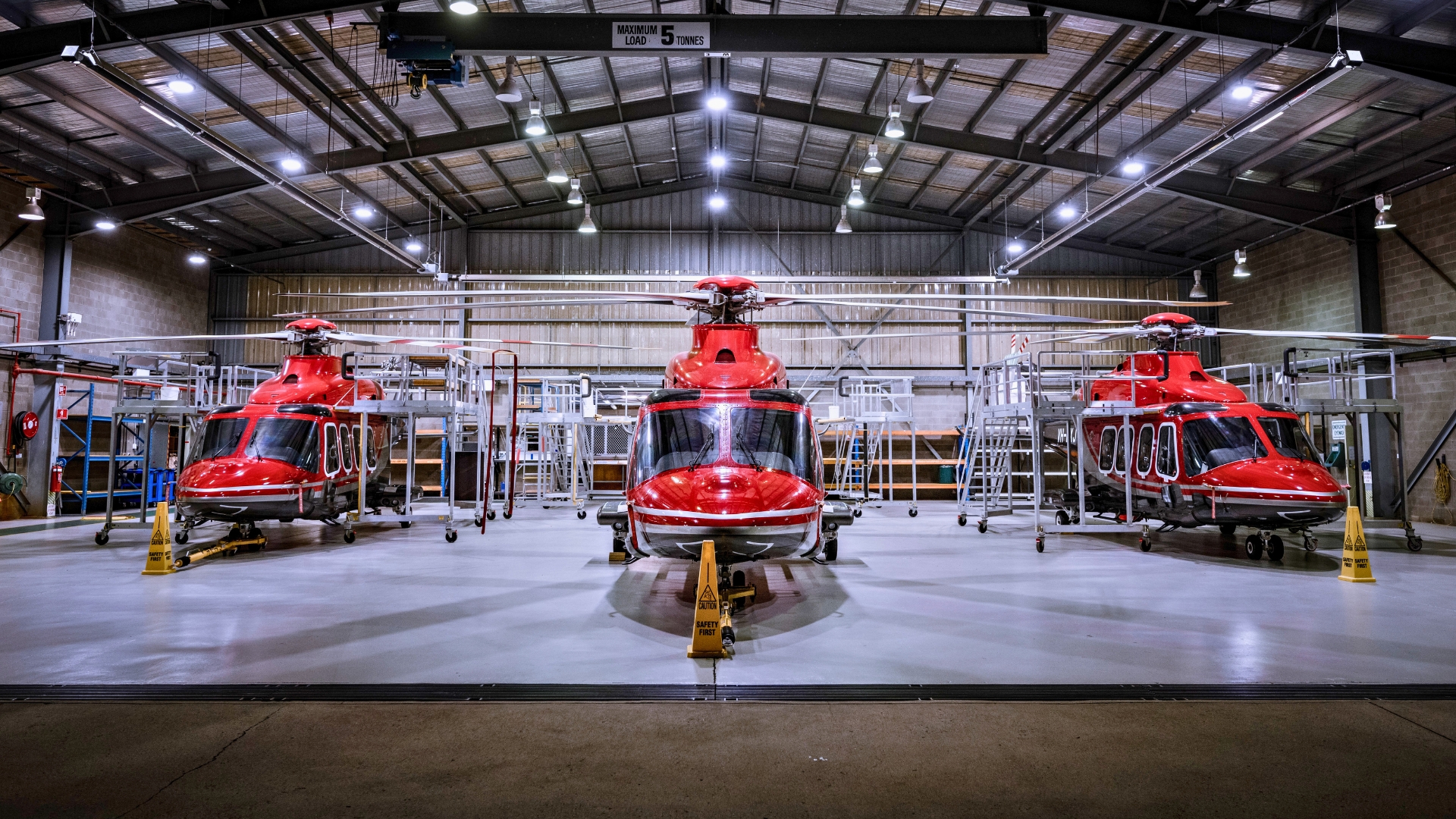
Our heliport at Longford near Sale, 220 km east of Melbourne, supports our operations in Bass Strait and is home to Australia's largest privately owned helicopter fleet.
A fleet of five Leonardo AW139 helicopters operate regular flights to ferry personnel to platforms between 25 and 80 km offshore.
The helicopters seat up to 12 people and can carry 20 tonnes of freight and critical spares every month.
 |
Barry Beach Marine Terminal
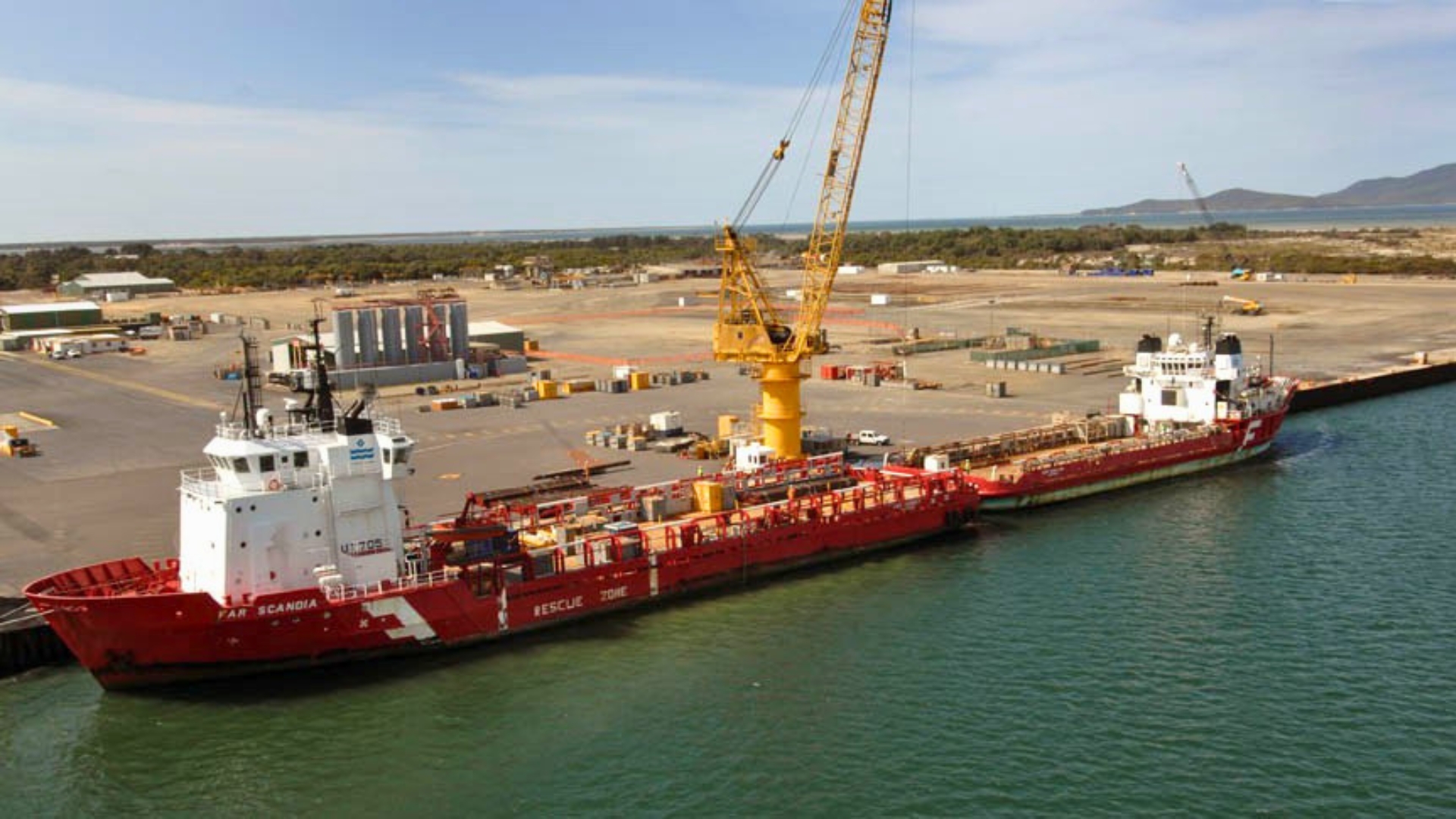
Last but not least is the Barry Beach Marine Terminal (BBMT), established to support the offshore oil and gas industry.
Part of South Gippsland’s industrial precinct for more than half a century, it’s been the main marine port supporting our offshore operations and will continue to do so.
BBMT is where most of the offshore platforms were constructed and it’s where they will return to be safely dismantled and sent offsite for recycling and disposal.
 |