Why Louisiana is the new frontier for Woodside’s global ambitions
On the surface, Western Australia’s Pilbara region, with its searing heat and iconic red dirt, hasn’t much in common with Louisiana in America’s Deep South ...
On the surface, Western Australia’s Pilbara region, with its searing heat and iconic red dirt, hasn’t much in common with Louisiana in America’s Deep South, where French and Spanish influence run deep and locals keep a careful eye open for irritable alligators emerging from the steamy swamplands.
And the Pilbara is almost four times the size of Louisiana, though the ‘Bayou State’ has some 70 times its population.
Dig a bit deeper, however, and the parallels emerge.
Both boast massive energy resources which play vital roles in the economies of both states and their respective countries. Louisiana – home to the famous Henry Hub natural gas trading hub which lends its name to the pricing benchmark for US gas futures – handles more than 60% of US LNG exports.
They’re also central to Woodside’s growth story. The Pilbara is where Woodside has sharpened its skills over half a century of gas exploration, extraction and processing.
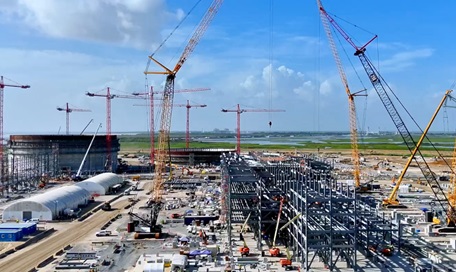
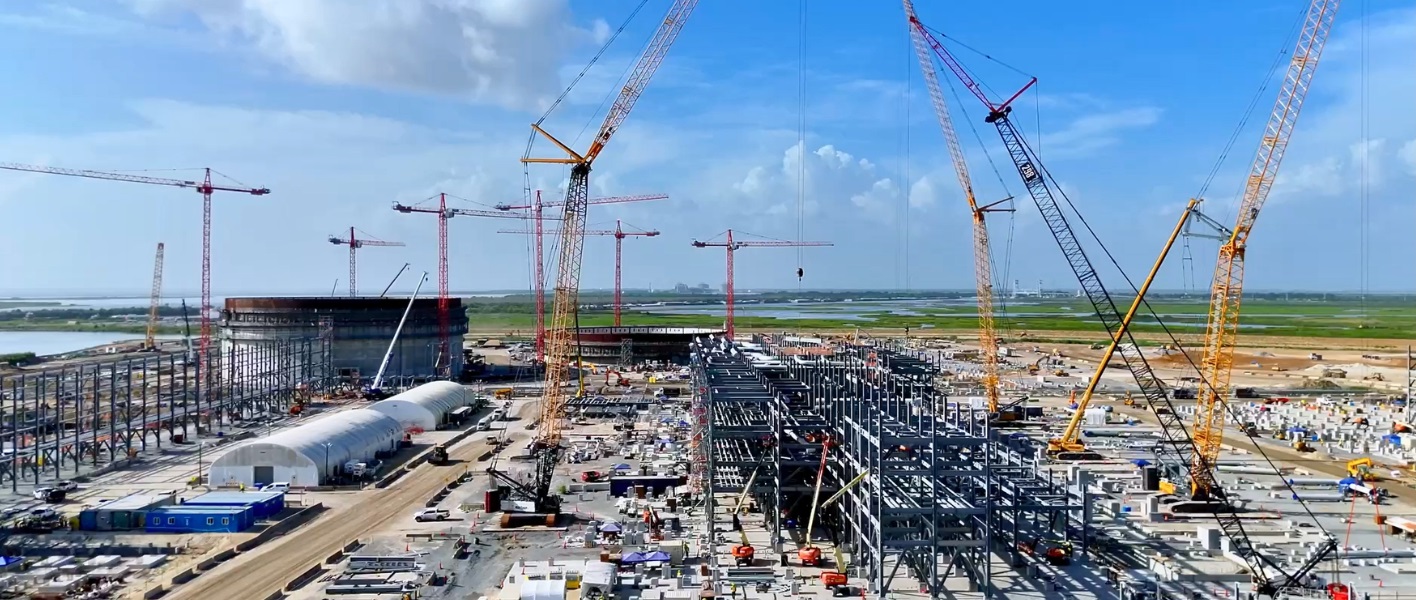
Louisiana is the hub of Woodside’s largest international project yet – Louisiana LNG (LALNG).
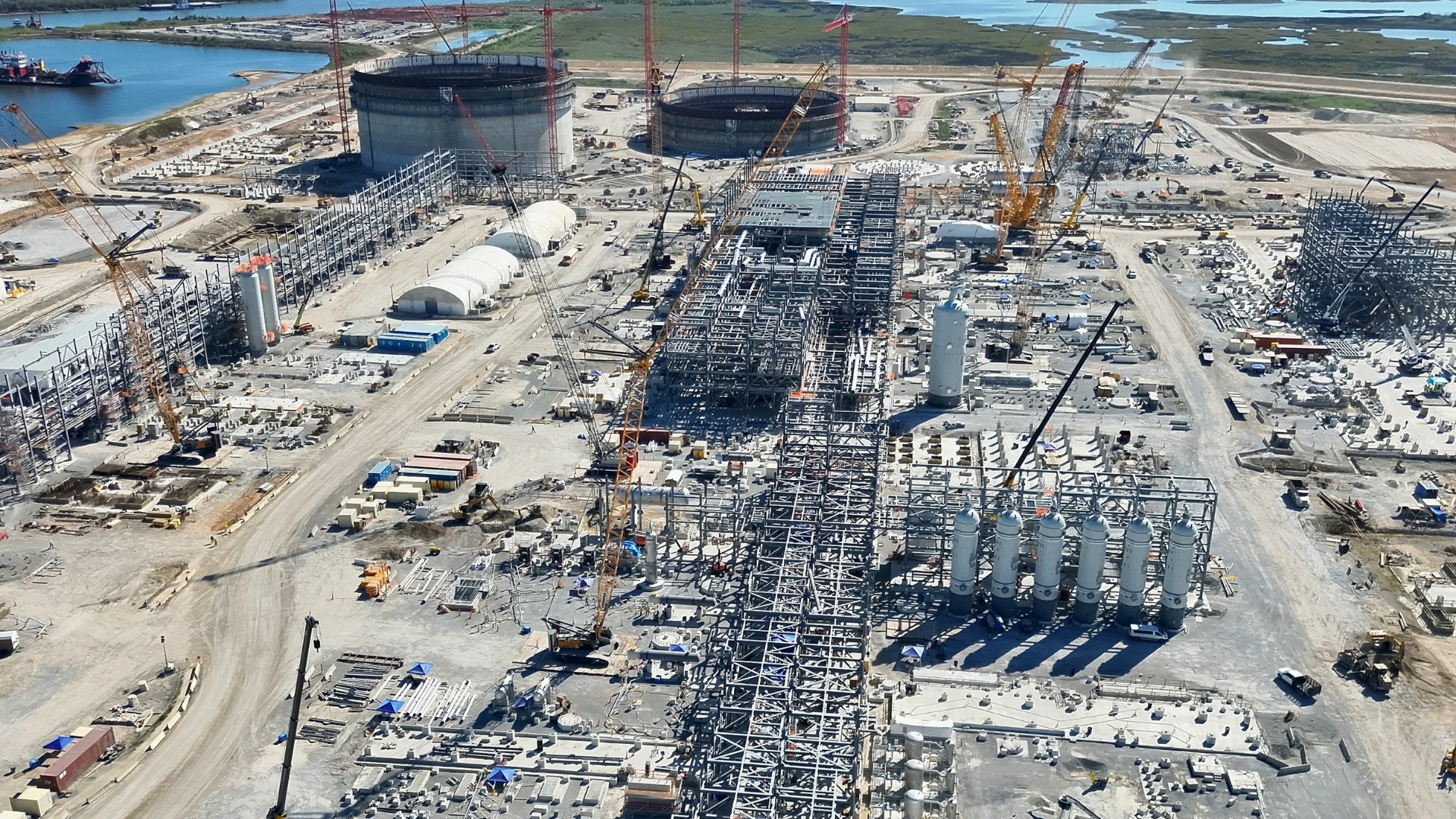
Still under construction, LALNG will be a natural gas liquefaction and export terminal, with access to abundant, low-cost US natural gas to help deliver reliable energy to customers around the world, including Europe and Asia.
Its 445-hectare site is on the banks of the Calcasieu River, where a former hunting and fishing lodge was once used as Woodside’s HQ for the construction.
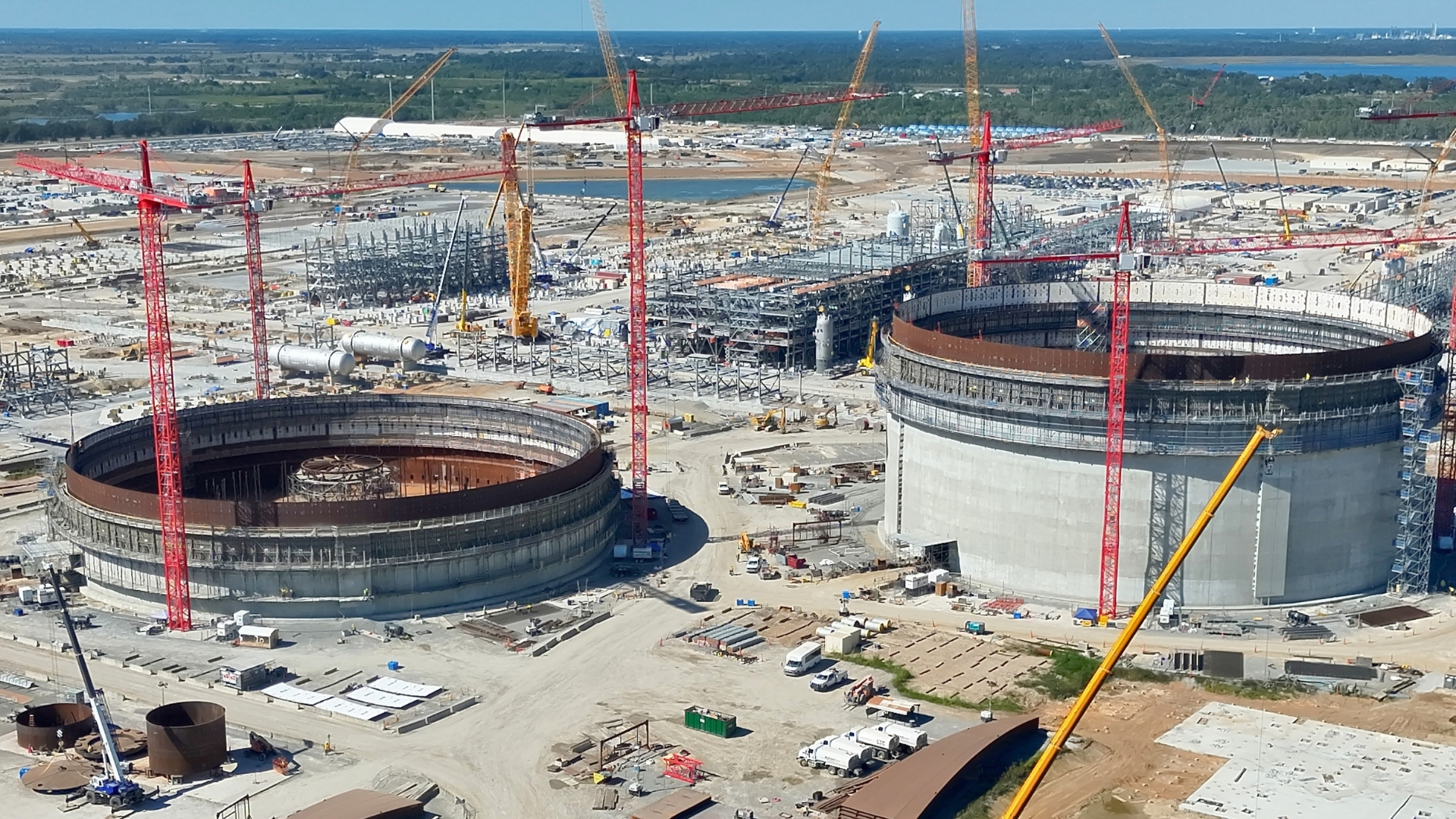
LALNG is targeting first LNG in 2029. The foundational phase comprises three trains capable of producing 16.5 million tonnes per annum of LNG. At the end of Q3, the project was 32% complete, with Train 1 at 41%.
 |  |
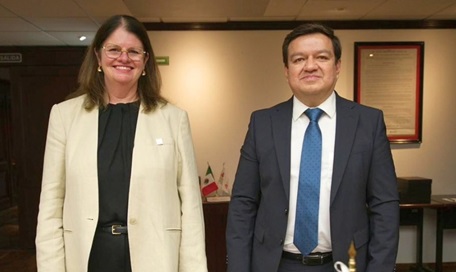
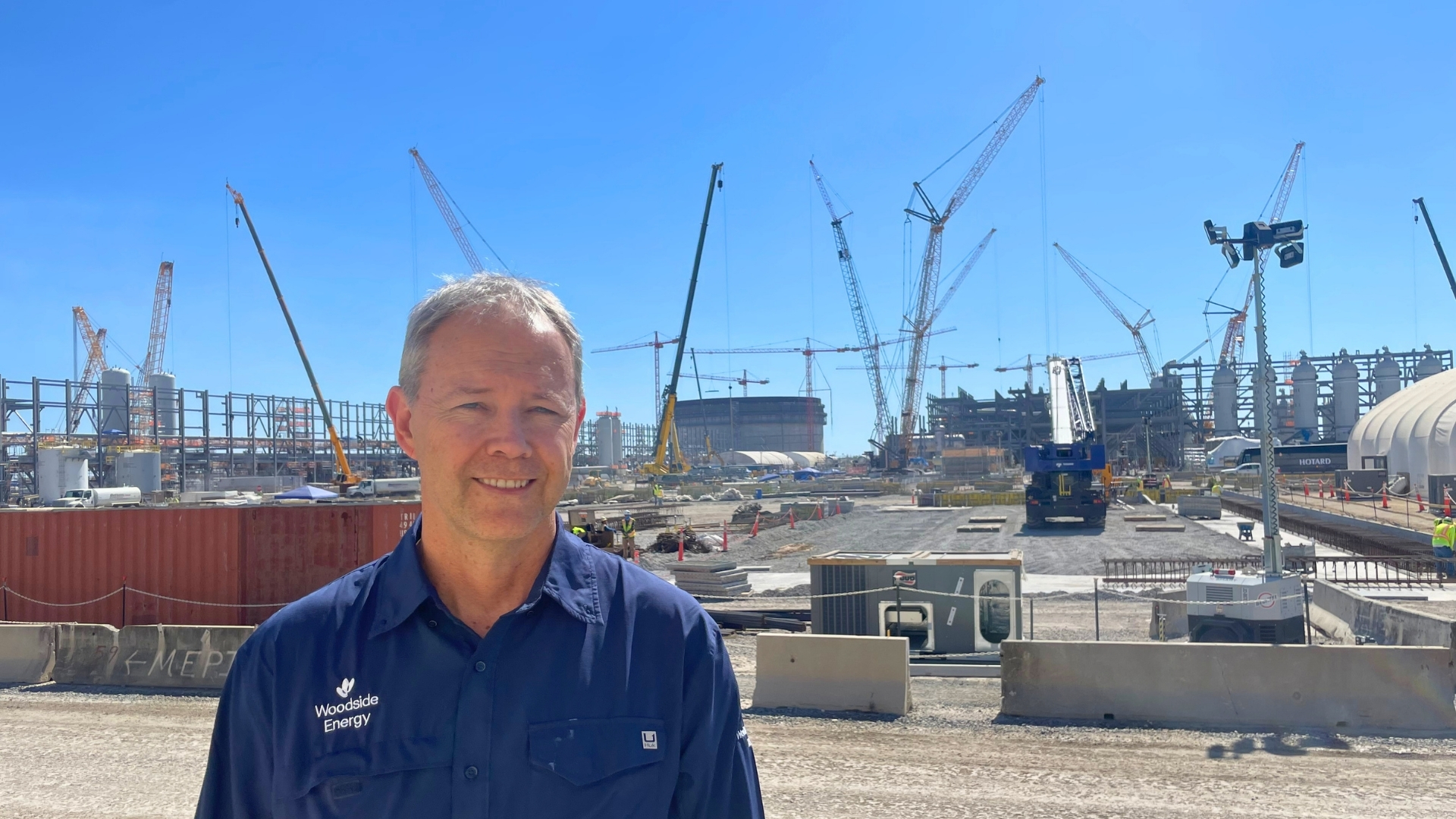
Andrew Lobb is the Woodsider in charge.
He became VP of LALNG Project in August with a track record of previous senior roles at Woodside’s North West Shelf Project, including Karratha Gas Plant, Pluto LNG, Scarborough and Browse.
“Having spent years at KGP, I see a lot here that feels familiar,” Andrew remarks.
“It has the same scale of ambition, the same uncompromising focus on safety, and the same pride in building something that will last for decades.”
 |
What’s different, he says, is the pace.
“The North West Shelf grew its LNG capacity over five phases and more than 20 years of investment,” he explains.
“But at LALNG, we’re building comparable capacity in a single step.”
A single step but one that requires a giant leap.
Today, the site is a hive of activity.
The buzz is unmistakable. Earthworks and marine activities are establishing our footprint, dozens of cranes fill the skyline and the three LNG trains are taking shape week by week." Andrew notes.
Some 2,500 construction workers are currently on site but it will only get busier, with that number expected to double next year. Additionally, around 400 employees will be required to support the project once operational.
Jobs and economic growth aren’t the only thing LALNG means for Louisiana.
In line with Woodside’s ongoing support to the places we call home and the people who live there, the company has committed US$5 million to a multi-year restoration project at Sam Houston Jones State Park in Moss Bluff, Louisiana.
Tom Feutrill, Woodside’s Director of LALNG, says: “Woodside is committed to making a positive impact in the communities where we live and work by investing in education and workforce, as well as environmental and community wellbeing programs.”
Looking ahead, Andrew Lobb notes 2029 will mark 40 years since Woodside’s first LNG cargo sailed out of Karratha. In comparison, he says, LALNG’s first cargo will be a defining LNG milestone in the company’s “global” history.
“And we’re delivering it as one project and one team – across our partners on site and their local and international supply chain, Houston and Perth offices,” he points out.
“I can’t wait for the day we all watch that first cargo head out to sea.”