

Watheroo Biodiversity Project
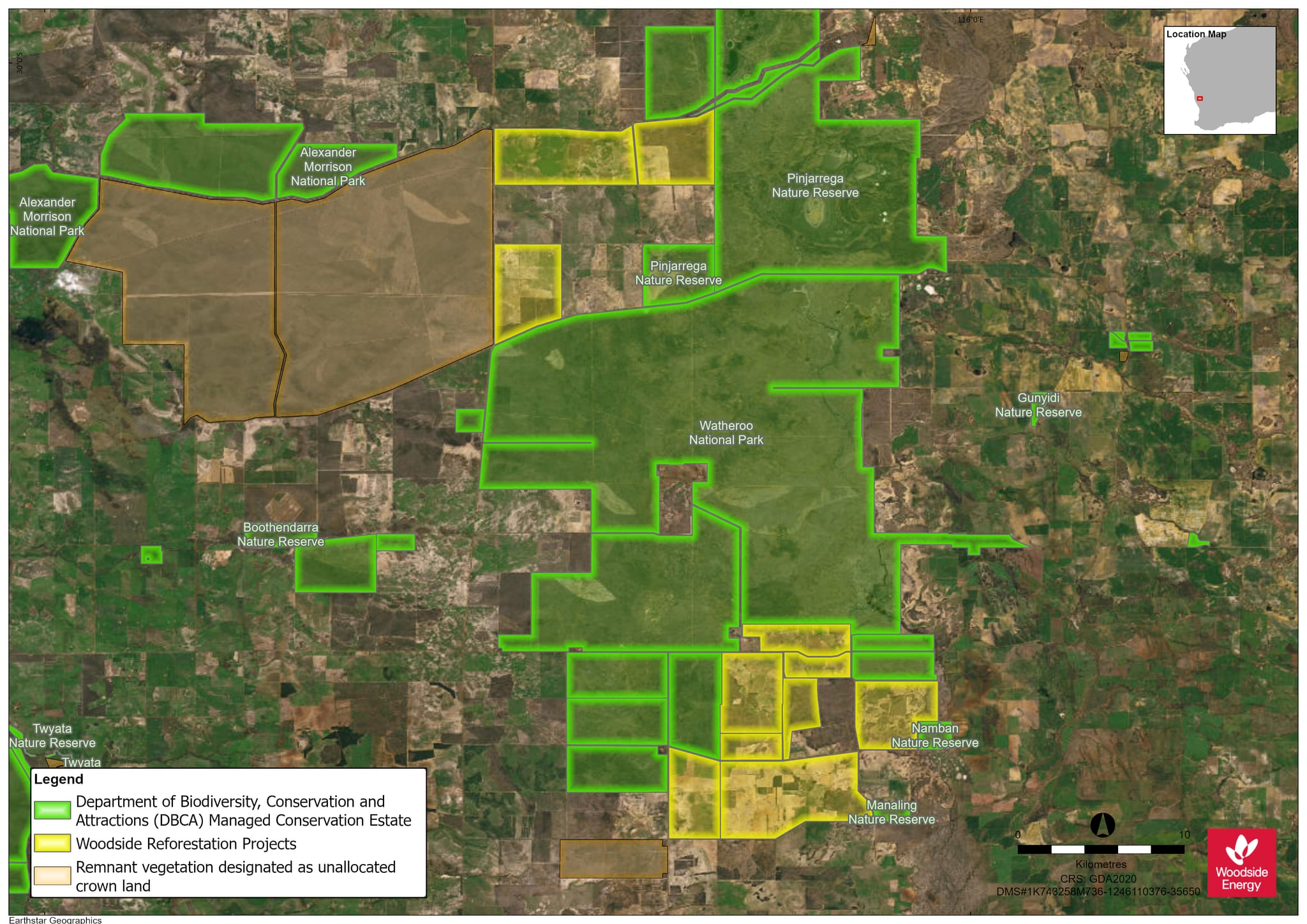
Woodside’s Watheroo Biodiversity Project is a collaborative effort to restore landscapes and support biodiversity in WA’s northern Wheatbelt (Figure 1)1 . The project focuses on having positive biodiversity outcomes for habitats, threatened species and ecological function, through working with government agencies, NGOs, and local Indigenous and community groups.
As of December 2025, Woodside has planted approximately 5.5 million seedlings across 8,500 hectares in the Watheroo area. The land under reforestation in Watheroo is adjacent to a large area of conservation estate, the Watheroo National Park and connected reserves, as well as a significant area of remnant vegetation currently designated as unallocated Crown land. Together the combined area is over 130,000 hectares. In addition to generating ACCUs (for more information see Carbon credits section of the climate website), the plantings will provide additional habitat for fauna and create connectivity between these areas of remnant vegetation and conservation estate.2
Given the significant area of conservation estate in the region, a key relationship for our Watheroo PBP is with the Department of Biodiversity, Conservation and Attractions (DBCA) who manage this land. In 2025, Woodside collaborated with DBCA’s Turquoise Coast District on a program to better understand biodiversity within the Watheroo National Park, which covers over 44,000 ha of land. The program included targeted and passive monitoring of key native species including threatened malleefowl (a threatened, ground-dwelling bird) as well as invasive species such as cats, foxes and goats. Outcomes of the program can be used to inform regional conservation priorities and programs to protect threatened species or for invasive species management.
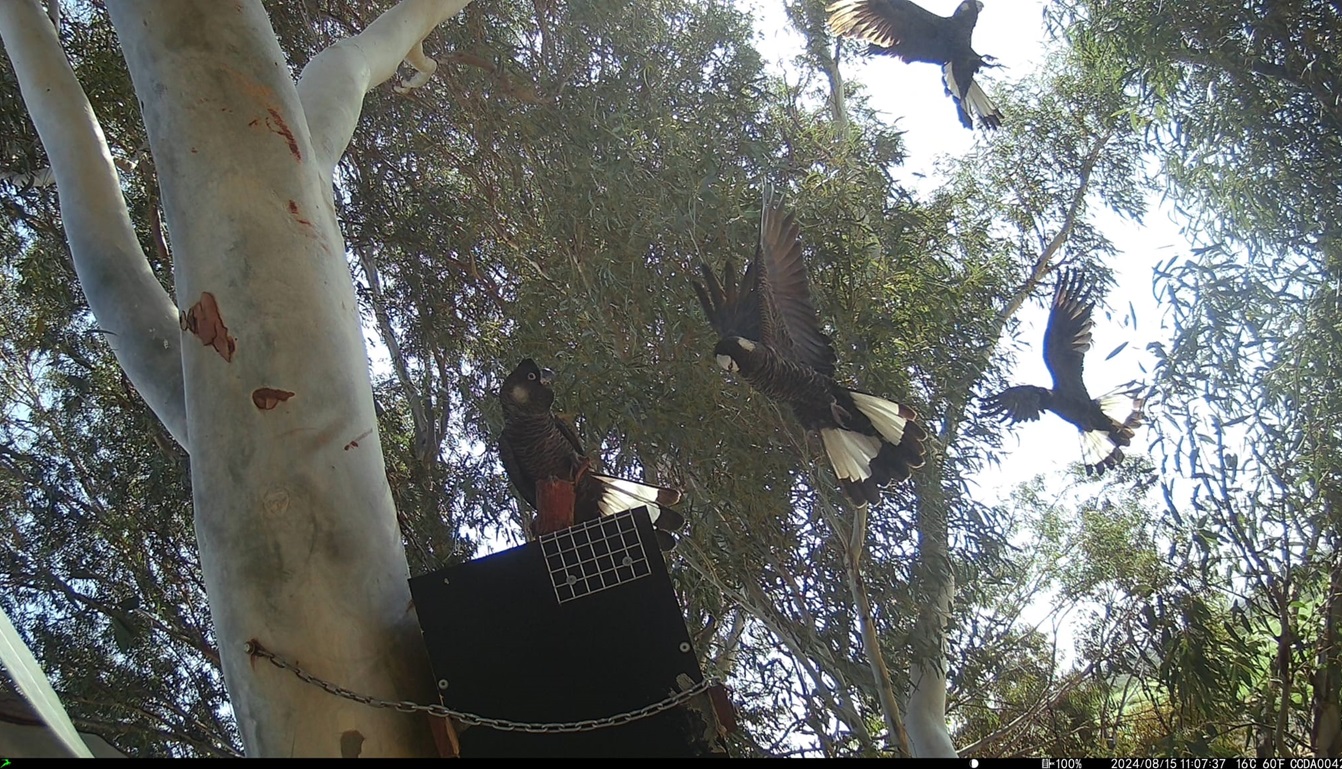
One highlight of the Watheroo Biodiversity Project is the support for threatened Carnaby’s black cockatoos. These large birds are under threat primarily from habitat loss due to historic land clearing. Together with not-for-profit conservation charity group Carnaby’s Crusaders, numerous artificial hollows were installed in 2024 and 2025 to address a shortage of natural nesting sites because hollows large enough for the species to nest within typically only form in trees well over 100 years of age.
Additional programs within the project include a large-scale LiDAR survey to provide insight into the current status of the vulnerable malleefowl population in the region, motion detection camera fauna monitoring, annual bird surveys to track change within reforested areas, vegetation surveys to understand current condition of and stressors on remnant vegetation, and management of invasive species.
Woodside recognises that restoring biodiversity is a long-term commitment, and outcomes will continue to be monitored and reported transparently.
fc151ef5-990f-416e-80bc-a6059e4e604d.tmb-lightbox.jpeg?sfvrsn=a9b6f386_1)
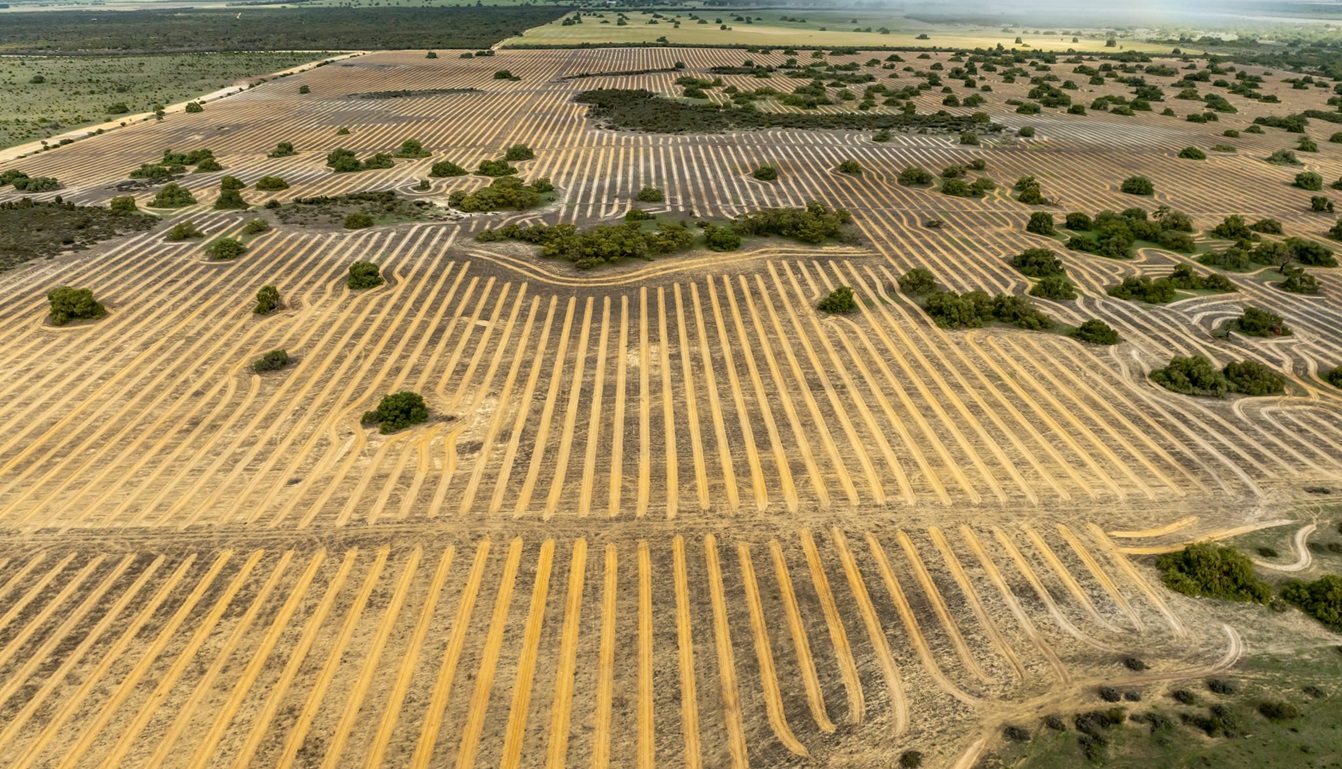
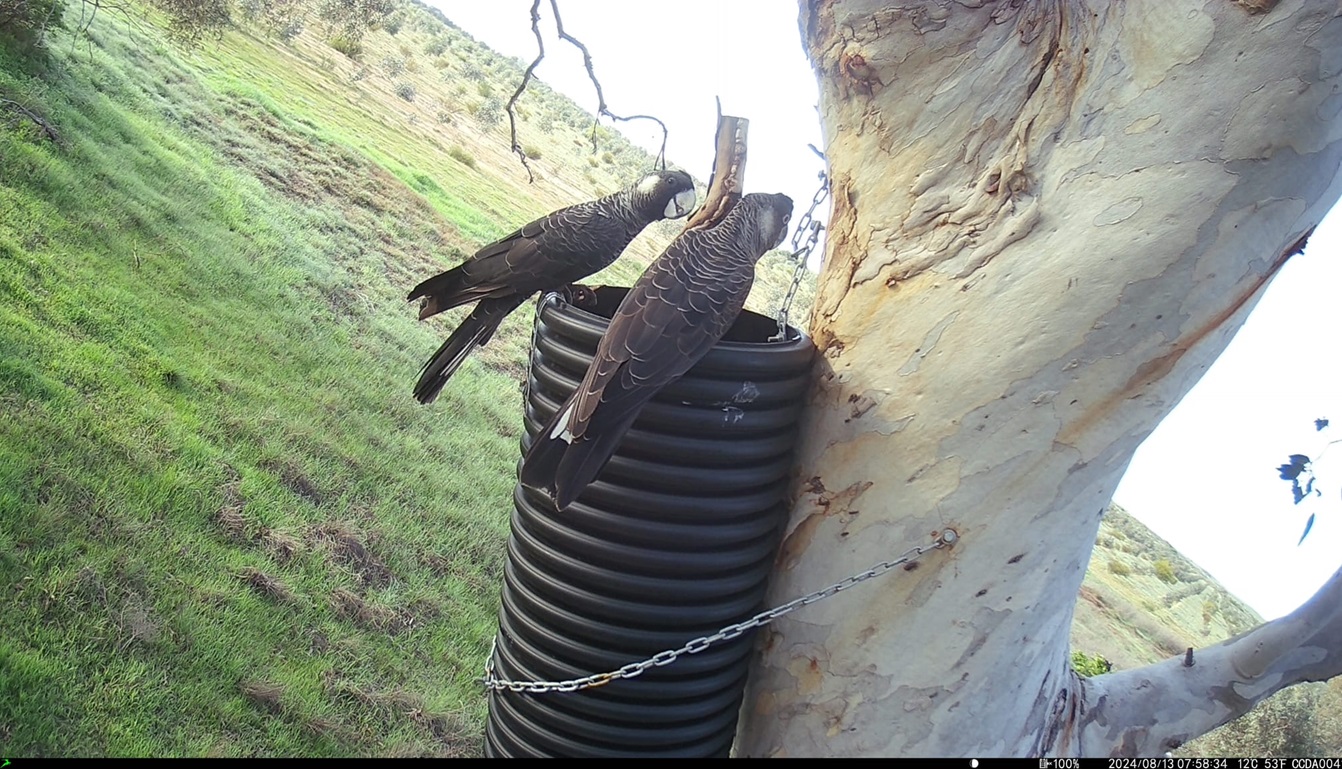
Carnaby's black cockatoos including hatchling. Dean Arthurell; and Aerial view of Woodside property just before planting. Nick Thake, Nick Thake Photo Video