Woodside

Marine Seismic Surveys
Marine seismic surveys are a key technique used for geophysical exploration to understand what lies beneath the seabed, or subsurface.

Woodside’s seismic surveys are conducted under strict Australian and international regulations and management controls.

These controls include measures designed to reduce the risk of potential impacts to whales and other marine fauna. Woodside Energy has conducted a number of marine seismic surveys over the past decades, in Australia and internationally, to support exploration and reservoir management for our offshore oil and gas fields.

MARINE SEISMIC SURVEYS

Environmental Management Approach

Prior to conducting a marine seismic survey, Woodside undertakes a comprehensive planning process aimed at ensuring operational safety and minimising potential impacts to the environment as well as other marine activities, including fishing, shipping, and recreation.

Our environmental management process addresses the environmental impacts and risks associated with our activities across relevant operating locations and applicable regulatory regimes. A key part of this process is the development of an Environment Plan, which outlines how the activity will be undertaken responsibly, with a focus on reducing environmental and sociocultural risks and impacts to be as low as reasonably practicable (ALARP).

The Environment Plan has regard to scientific considerations, environmental modelling, stakeholder consultation and feedback, and industry best practice. The proposed plan is reviewed by the relevant regulatory authorities, and if they are satisfied, is formally accepted.
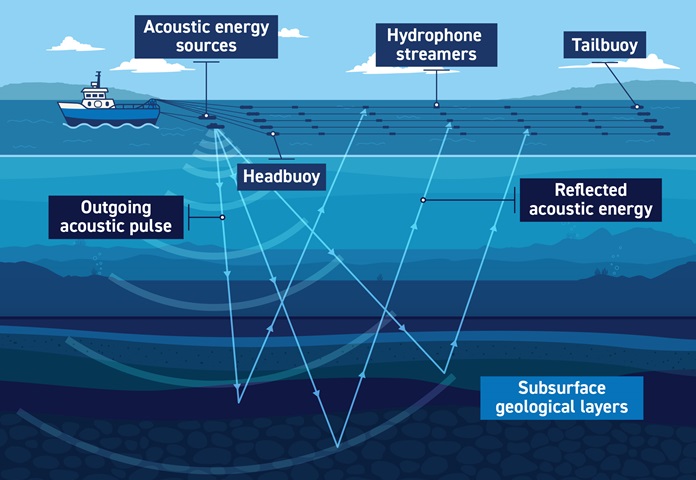

How Do Marine Seismic Surveys Work?

Marine seismic surveys are conducted by purpose-built survey vessels that tow specialised equipment placed in an array of long marine streamers. These vessels proceed at low speeds, typically around 4–5 knots (7.4–9.3 km/h), following predetermined sail lines to systematically map the survey area.

Woodside implements a temporary safe navigation area around the vessel during marine seismic survey activity to keep other marine users safe. As the vessel moves, a sound source located at its rear releases compressed air as soundwaves into the water column at regular, short intervals. The soundwaves are reflected from subsurface rock layers to the water’s surface, a bit like an echo. Sensitive microphones known as hydrophones, which are positioned within the streamers trailing behind the vessel, detect these soundwaves.

Alternatively, hydrophones and motion-sensitive sensors known as geophones can be embedded in small devices called ocean bottom seismic nodes, which are temporarily placed on the sea floor. The recorded sound is processed to generate images of subsurface structures, rock layers and other features for interpretation.

Types of Marine Seismic Surveys

Woodside may use different types of marine seismic surveys. The type or types used are considered and determined in the course of planning for an activity.

2D Survey

A single streamer produces broad images of the Earth’s subsurface. Typically used for initial exploration.
 

3D Survey

Multiple streamers generate high-resolution, three-dimensional images, allowing for precise hydrocarbon identification and reservoir modelling.

4D Survey

Also called time-lapse surveys. Repeats 3D surveys over time to monitor subsurface changes, such as changes in reservoir properties.

Protecting the Marine Environment

Regulator guidance indicates that when properly planned and managed, marine seismic surveys do not result in serious or irreversible environmental damage to marine fauna populations. However, underwater sound associated with marine seismic surveys does have some potential to impact marine fauna.1

To reduce the likelihood of these impacts, the following controls can be implemented as appropriate:

Marine_Seismic_Surveys_3

Survey planning and design

Designing the marine seismic survey to limit impacts in environmentally sensitive areas, including implementing no-go zones for activity.

Marine_Seismic_Surveys_4

Survey timing

Planning to avoid main migration and breeding seasons for sound-sensitive marine fauna.

Marine_Seismic_Surveys_5

Pre-survey observations

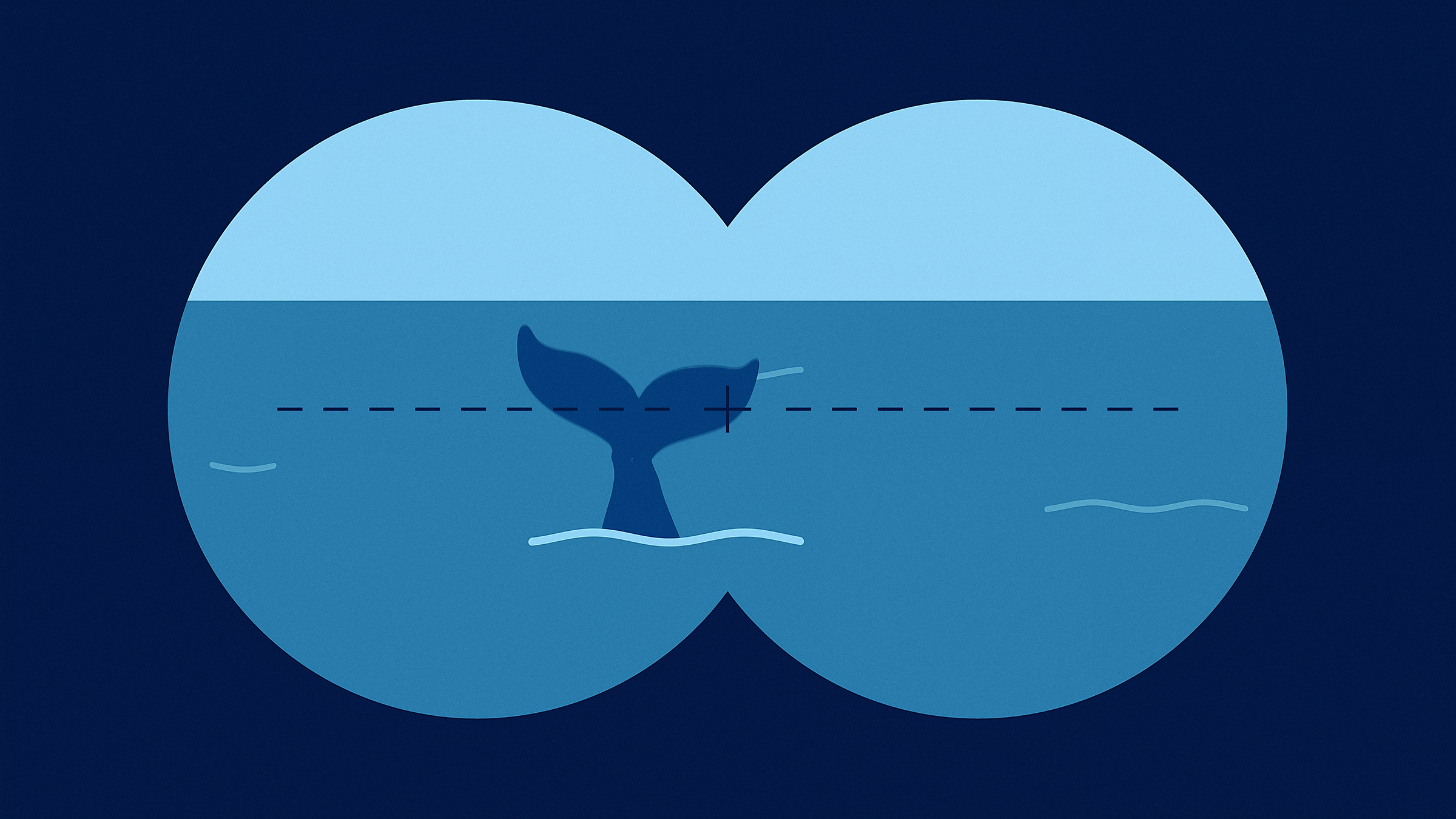
Undertaking visual observations of the survey area for around 30 minutes before survey commencement to identify if any sound sensitive marine fauna are present. If so, survey start-up may be delayed until the marine fauna has moved away.

Marine_Seismic_Surveys_6

Soft-start procedures

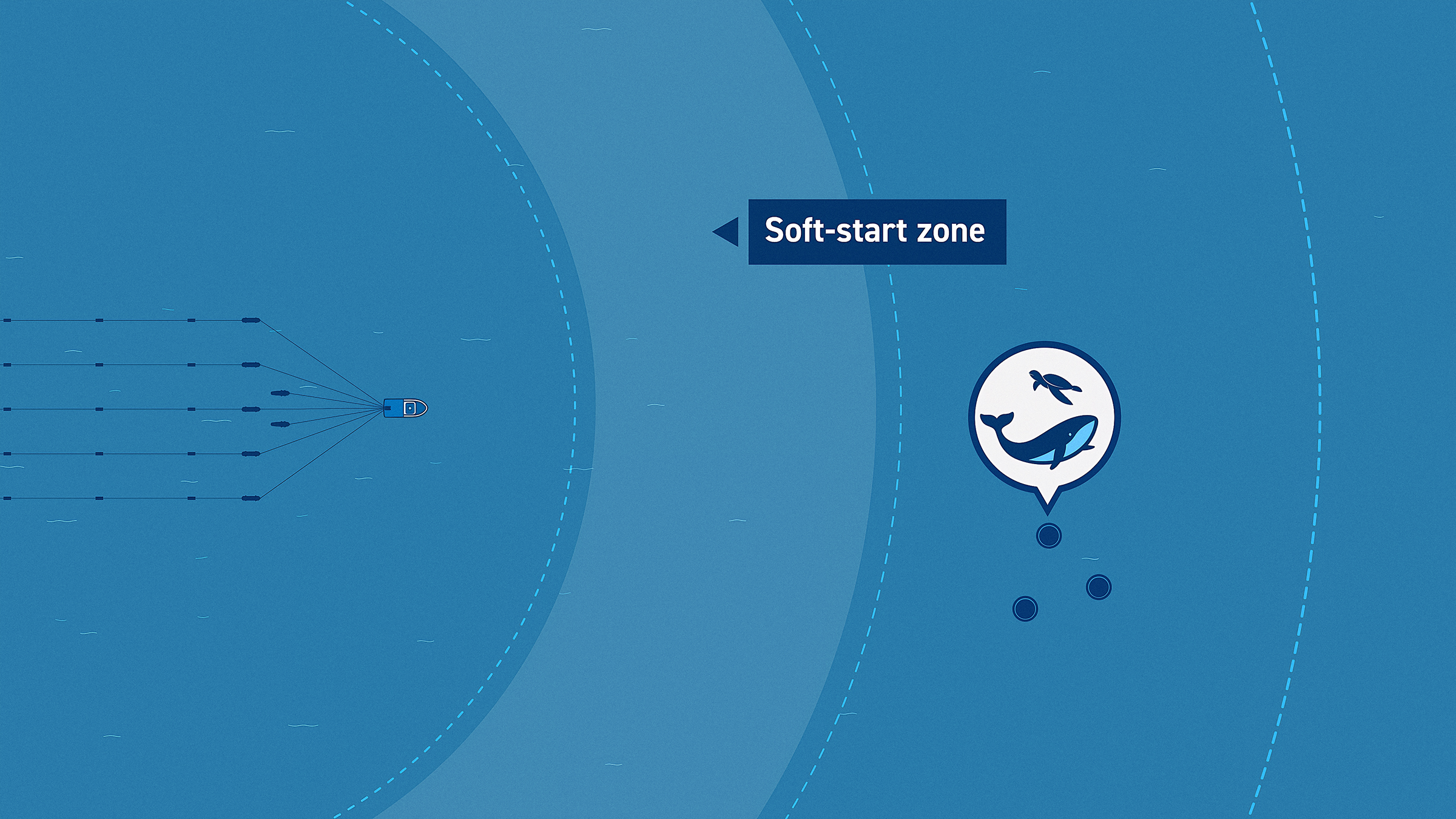
Using soft-start procedures where the intensity of the sound source slowly increases over a period of typically 20 to 40 minutes, providing time for sound sensitive marine fauna within the area to move away.

Marine_Seismic_Surveys_7

Ongoing monitoring

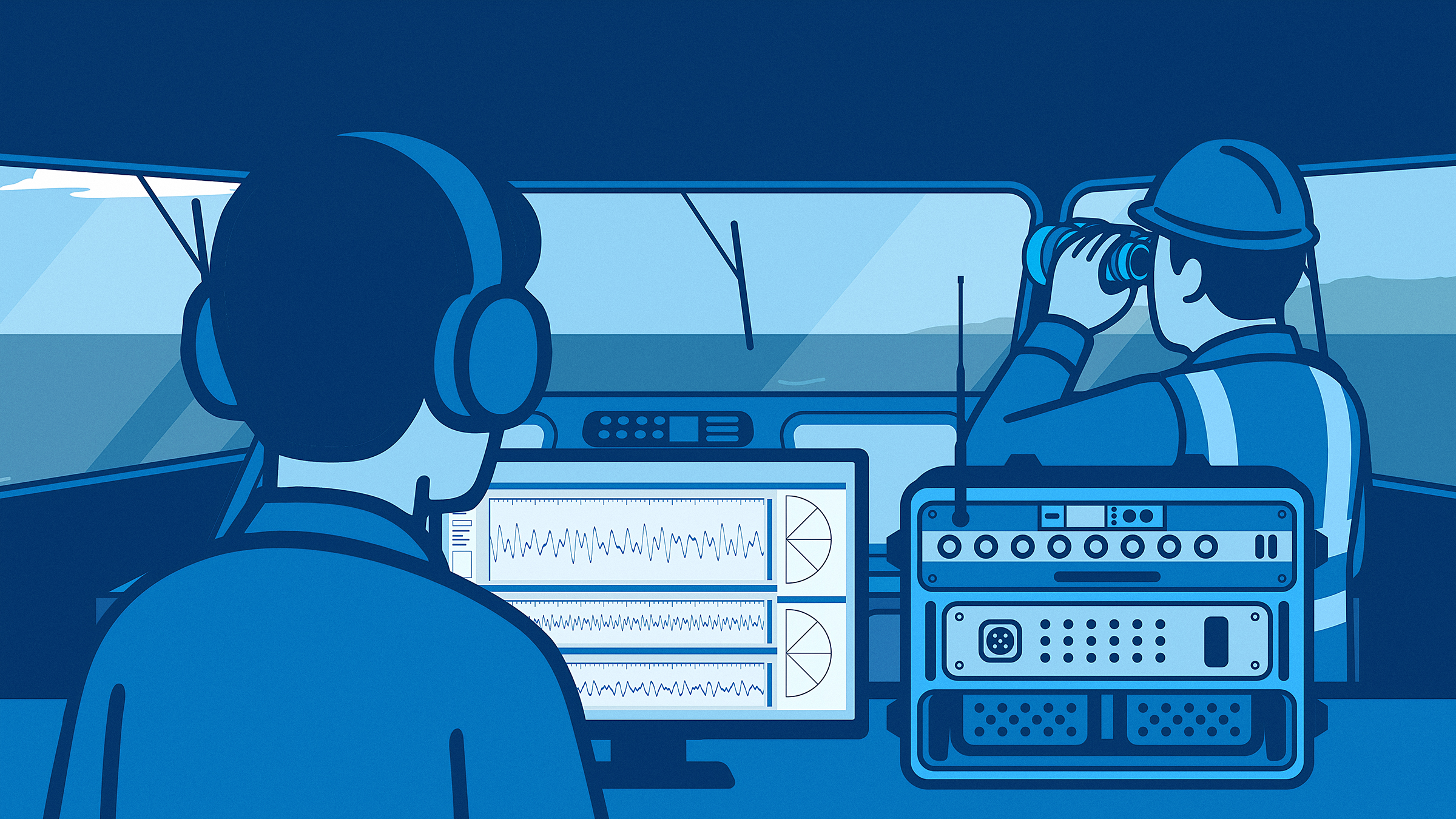
Deploying specially trained marine fauna observers (MFOs) to detect cetaceans and other sound-sensitive marine fauna, supplemented with a passive acoustic monitoring (PAM) system. If an animal is detected nearby, the sound source can be turned down or temporarily shut off.

MARINE SEISMIC SURVEYS

Research and Collaborations

A robust and systematic approach to environmental management of our activities, informed by credible science, are the key elements of Woodside’s approach to the environment.

Technology and innovation are important components of Woodside’s science programs and collaborations aimed at understanding and managing underwater noise and potential impacts to marine mammals.

For more than 30 years, Woodside has supported studies on topics like whale seasonality, distribution and abundance in Western Australia. Together with our joint venture partners, Woodside’s financial contribution in whale research is around $A30 million.

We are also members of the International Association of Oil & Gas Producers (IOGP) Sound and Marine Life Joint Industry Programme, which supports independent, peer-reviewed research to increase understanding how sound generated by offshore energy activities may affect marine life.

In addition to investing in decades of research into humpback whales, Woodside has been supporting pygmy blue whale research since the early 2000s. By working with groups like Australian Institute for Marine Science (AIMS) and the Centre for Whale Research, Woodside supports scientists to learn more about how whales move and behave in Australia’s North West.

This knowledge informs our approach to management and mitigation measures to avoid or minimise any impacts on whales and the broader recovery of whale populations in Australia.

You can read more about Woodside's whale research funding here.

Underwater Noise and Whales

Find out more about how Woodside is supporting technology to detect and track whales.

Learn more

Footnotes

    Footnotes